Pressco full PET bottle inspection overview
Equipment-manufacturer reference used to frame fill and closure defect categories, camera views and reject options without adopting performance claims.
Define the defect and disposition before selecting sensors
An inspection station protects production only when it detects a defined condition, tracks the correct bottle and confirms that nonconforming product is controlled.
Direct answer
Select inspection functions from the actual packaging and release risks, not from a generic camera list. For each bottle, cap, fill, label, code or pack defect, define the best detection point, approved reference format, decision threshold, required coverage and action. Then specify product tracking from detection to rejection, the reject mechanism, reject confirmation, full-bin response and treatment of repeated failures. Acceptance should challenge the system with controlled good and defective samples at representative line conditions and retain the resulting detection, false-reject and containment evidence. A sensor presence signal alone does not prove that the intended defective product is removed.
System focus 01
Begin with approved bottle, closure, fill, label, code and finished-pack specifications. List the observable conditions that matter to release and separate machine protection checks from product-quality decisions. Identify where each condition becomes visible and whether later handling can create or hide it. The resulting matrix should state the responsible quality owner and the action taken when the check cannot be performed.
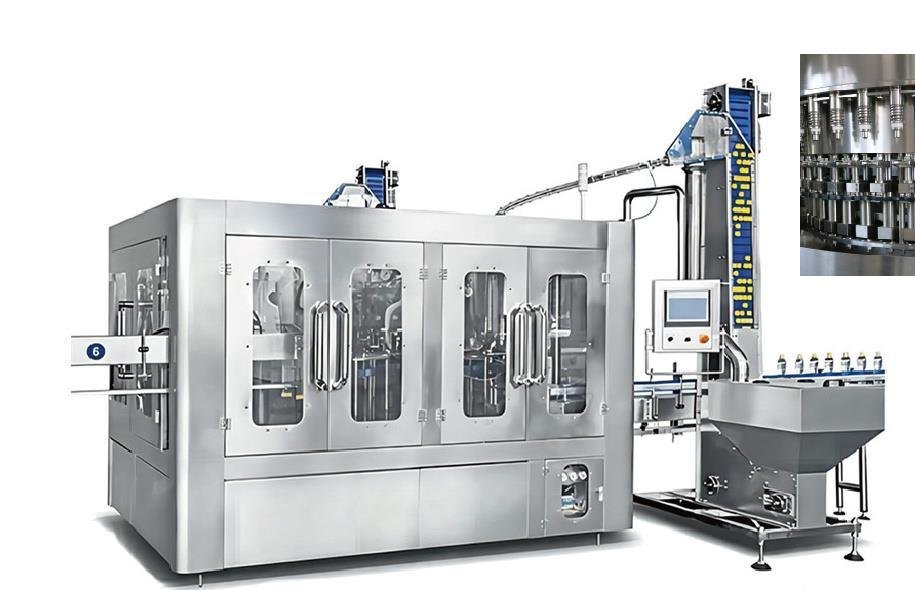
System focus 02
Transparent PET, water, curved surfaces and reflective closures can influence lighting and detection. Compare photoelectric, level, color, profile and machine-vision methods using representative samples and the actual conveyor presentation. Define the field of view, background, bottle spacing, permitted movement, surface moisture and ambient light. The supplier should state known limitations and the conditions needed to maintain repeatable detection.
System focus 03
A threshold that is too loose can pass defects, while a threshold that is too tight can create unnecessary rejects. Establish settings with an approved sample set that represents acceptable variation and defined nonconformities. Record recipe versions, authorized access and first-off verification after changes. Quality decisions and any permitted manual override should have explicit ownership and traceability.
System focus 04
The control system must associate a detection decision with the same physical bottle at the reject point despite changes in conveyor speed or spacing. Define encoder or tracking logic, maximum distance, product-gap assumptions and response to jams or manual bottle removal. Select a reject mechanism suited to container stability and line speed, then verify that the bottle left the production stream. Full reject containers, failed actuators and consecutive defects need defined alarms and safe actions.
System focus 05
Agree the test sample identities, insertion method, number of repetitions, line formats and production speeds before acceptance. Record correct detection, correct rejection, false rejects and any unchallenged limitation without converting one trial into a universal accuracy claim. Confirm that reject records can be related to time, product and operating state where required. Recheck critical functions after relocation, lighting changes, software changes or relevant maintenance.
Inspection function matrix
Use this matrix before fixing camera count, sensor type or line location.
| Defect family | Detection question | Reject control | Acceptance evidence |
|---|---|---|---|
| Bottle and fill | Where is shape or level stable enough to inspect? | Track to a bottle-safe removal point | Good and defect sample challenge |
| Closure | Which cap and tamper features must be visible? | Confirm physical removal | Recipe-specific repeated checks |
| Label and code | What content, position and readability matter? | Contain affected production window | Approved sample and code record |
| System exception | What happens if inspection is unavailable? | Alarm, stop or controlled bypass | Failed-device and recovery test |
Detection requirements and product disposition remain subject to the approved product specification and plant quality system.
Editable buyer worksheet
Define challenge defects, expected machine action, reject confirmation, reconciliation and follow-up evidence for each inspection point.
Technical reading
Confirm the standards, guidance and legal requirements that apply to the project location and product before final design.
Equipment-manufacturer reference used to frame fill and closure defect categories, camera views and reject options without adopting performance claims.
Industry reference used to map inspection opportunities across empty containers, filling and finished bottles; project functions require confirmation.
Buyer questions
Use these answers as a project-planning starting point. Final equipment and performance remain subject to the confirmed brief.
Not automatically. Defects differ in location, contrast, size and timing, and some require different lighting, views or sensing methods. Build the inspection scope from a defect matrix.
No. The system must track that bottle, remove it, confirm removal and respond safely if rejection fails. The plant also needs a defined disposition for rejected and potentially affected product.
Use representative acceptable samples and controlled defect challenges, document the selected settings and restrict changes. Approval criteria should come from the product and quality specification.
An inspection point defines the condition, location, frequency, evidence and action. A machine is one possible method for performing part of that control plan.
Deep technical guides
Each guide answers one narrower project question and links the result back to complete-line scope.
A glass and brittle plastic program controls fixed items, portable objects and breakage events according to their credible path to open water, closures and packaging—not through a checklist alone.
An inline bottle leak tester must target defined package failure modes with a test that the container and line can tolerate. Pressure-decay, squeeze, vacuum or other methods require qualified sensitivity, stable handling and a verified reject path.
A checkweigher can support net-content control and detect gross package errors when product density, tare variation, line dynamics and legal metrology strategy are understood. It does not replace a complete approved fill-control program by itself.
Machine vision should be specified by detectable defect, package presentation and required action rather than camera count. Cap, fill, label, code and container inspection may need different lighting, views, algorithms and reference controls.
Capacities, process routes, layouts, utilities and equipment shown on this site are decision frameworks and reference examples. They are not a final specification, performance guarantee or offer. Confirmed scope and performance are defined in the signed technical and commercial agreement.
Allot Tech project desk
Share the source water, bottle, target output, pack format, factory status and destination. We will use them as the basis for a project-specific configuration discussion.