EU guide to good hygienic practices for packaged water
European Commission-hosted packaged-water hygiene guidance used for foreign-body prevention, premises and corrective-control principles.
Foreign-material prevention
A glass and brittle plastic program controls fixed items, portable objects and breakage events according to their credible path to open water, closures and packaging—not through a checklist alone.
Direct answer
Create a location-based register of glass, hard brittle plastic, ceramic and other breakable items in production and storage areas. Assess proximity, protection, condition, exposure and product path to set inspection and replacement controls. Design out unnecessary items and shield necessary ones. Define what operators must do immediately after damage: stop and secure the area, protect product and packaging, establish an affected time and zone boundary, control people and tools, collect and reconcile fragments where feasible, clean by an approved method, inspect surrounding equipment, assess product status and obtain authorized release. Records should show evidence, not just “area cleaned.”
System focus 01
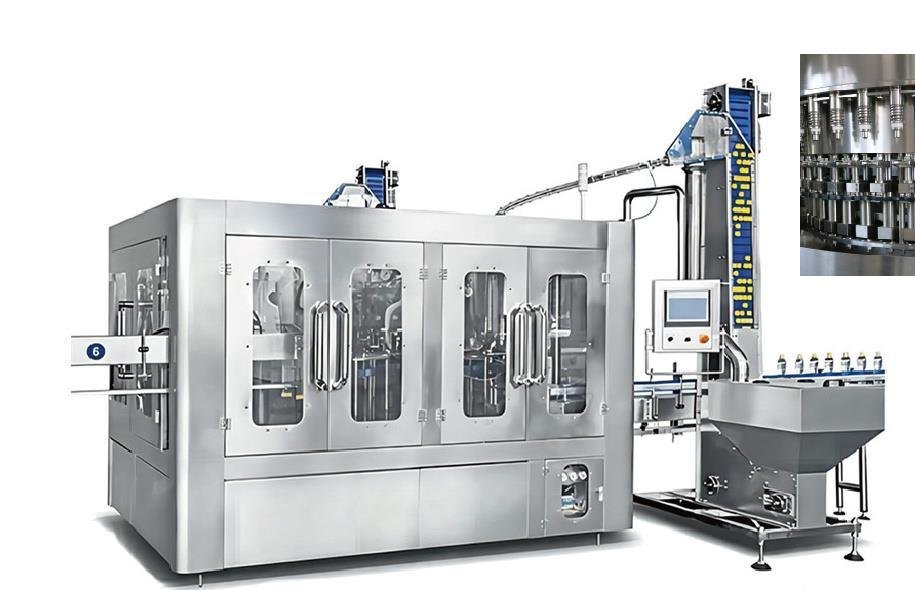
Walk the source, treatment, blowing, filling, capping, labeling, packing, laboratory, maintenance and warehouse areas. Give each relevant item a stable identifier and record material, exact location, purpose, protection and condition. Include light covers, gauge faces, sight glasses, windows, transparent guards, instrument displays and portable tools where a breakage pathway exists. Photographs or marked drawings help later inspection, but the physical identity must remain clear. Remove obsolete entries only after confirming the item has been removed or replaced and the register change is authorized.
System focus 02
Inspection frequency and method should reflect breakage likelihood, proximity to exposed water or containers, protection, vibration, impact and the ability to detect damage. A shielded high-level light does not carry the same pathway as an unprotected gauge over a product zone. Define the condition to look for: cracks, chips, missing sections, loose mounting, clouding that hides damage or failed protective covers. The inspector records condition and action against the identified item. Missed inspections or an item that cannot be located are deviations because the site has lost assurance, not administrative blanks to fill later.
System focus 03
Prefer robust non-brittle materials or protected assemblies where the function allows. Locate gauges, screens and lights away from open product paths, and design covers so fragments cannot collect above containers or become difficult to remove. Control personal items, maintenance lamps, measurement tools and contractor equipment before entry to sensitive zones. Packaging glass used in a separate process requires defined segregation and movement routes. Temporary transparent sheeting or covers must be approved, identifiable and removed after work; uncontrolled temporary material can become a greater foreign-material risk than the item it protects.
System focus 04
On discovering breakage, stop movement that could spread fragments and secure the location. Record the last known intact observation and the first known damage, then use equipment layout, airflow, drains, conveyors, personnel movement and cleaning history to establish the credible affected boundary. Hold exposed product, packaging and work in progress within that boundary. Use dedicated tools and a collection method appropriate to the surfaces; avoid actions that drive fragments into inaccessible spaces. Account for missing pieces where practicable, but never declare safety solely because visible fragments appear complete.
Breakage assessment
Each factor changes what must be stopped, held, inspected and documented.
| Factor | Evidence to capture | Conservative response | Release proof |
|---|---|---|---|
| Time boundary | Last intact and first damaged observations | Protect wider credible interval | Traceable production records |
| Spatial path | Impact, airflow, drains and movement | Secure connected zones | Mapped inspection and cleanup |
| Material exposure | Open product and packaging positions | Hold all plausibly exposed units | Approved disposition record |
| Source control | Item identity and failure mode | Replace and protect before restart | Register and condition verified |
The responsible quality and safety authorities determine the actual response from site conditions and applicable requirements; visible fragment recovery alone is not a release criterion.
Editable buyer worksheet
Map vulnerable items, inspection basis, condition, breakage response, affected-lot boundary and authorized release.
Technical reading
Confirm the standards, guidance and legal requirements that apply to the project location and product before final design.
European Commission-hosted packaged-water hygiene guidance used for foreign-body prevention, premises and corrective-control principles.
International hygiene source supporting prevention of physical contamination and protection of product and packaging.
Primary public-health reference used for risk-based control and verification principles; it does not prescribe a plant glass checklist.
Buyer questions
Use these answers as a project-planning starting point. Final equipment and performance remain subject to the confirmed brief.
The program should define its material scope from credible fragment risk and site standards. Flexible production PET containers are different from hard acrylic guards or brittle instrument covers, but damaged packaging still needs its own quality controls. Avoid classifying solely by the word “plastic.”
Set frequency from proximity to exposed product, protection, damage history, vibration, access and detectability, plus applicable requirements. Document the rationale by item or risk tier. High-consequence unprotected items generally need stronger control than isolated, fully contained items.
Treat a crack as loss of controlled condition. Stop or protect the credible exposure zone, assess whether pieces or dust could escape, identify affected material and obtain an authorized decision. Do not wait for complete breakage or assume an intact-looking cover contains every fragment.
No. Reconciliation can support the assessment, but tiny or inaccessible fragments may not be recoverable. Release also needs a defensible time and zone boundary, controlled cleanup, detailed inspection, material disposition, source replacement and authorized verification.
Capacities, process routes, layouts, utilities and equipment shown on this site are decision frameworks and reference examples. They are not a final specification, performance guarantee or offer. Confirmed scope and performance are defined in the signed technical and commercial agreement.
Allot Tech project desk
Share the source water, bottle, target output, pack format, factory status and destination. We will use them as the basis for a project-specific configuration discussion.