UC Davis food-industry good manufacturing practices
University food-safety guidance used for maintenance-area isolation, post-work cleaning and release principles.
Return repaired equipment to production through a controlled hygiene gate
A repair is not complete when the machine moves again; the work area, product boundary, parts, tools and affected product must also be accounted for.
Direct answer
Plan the release before work starts. Define equipment and product boundaries, hazardous-energy isolation, exposed product or packaging, tools, parts, chemicals and temporary protections. During the task, identify removed and installed components and control drilling, cutting, welding, lubricant, glass, wire, fasteners and cleaning materials. After repair, restore guards, drains, seals, cables, hoses and settings; reconcile tools and parts; remove debris; and complete the cleaning or sanitation required by the hygienic risk. Verify function, safety, inspection devices and relevant product-quality checks under an approved restart plan. Assess any product exposed before or during the event, document open restrictions, and obtain maintenance, operations and quality authorization before normal production resumes.
System focus 01
Describe the fault, equipment, physical work zone and hygienic boundary. Identify whether product, open bottles, caps, food-contact surfaces or packaging can be exposed. Stop or segregate production as required and define the affected time and material window. Isolate energy through the site procedure, then cover or remove vulnerable components with approved materials. High-debris tasks such as drilling, grinding or welding require a wider protection and inspection plan than an external sensor replacement.
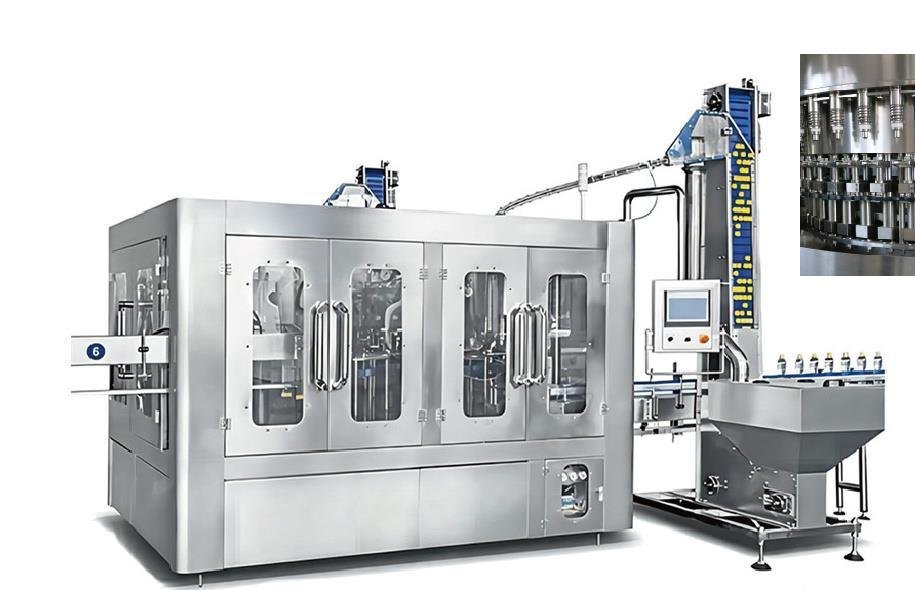
System focus 02
Issue a defined tool and part set and record items entering the controlled area. Use clean, suitable containers for fasteners and product-contact parts; do not place them on floors or uncontrolled frames. Identify replacement part number and compatibility before installation. Temporary hoses, tape, covers, rags and fasteners need the same reconciliation as tools. If an emergency temporary repair is approved, label it, assess its product effect and give it an owner and removal date rather than allowing it to become invisible permanent work.
System focus 03
Inspect the repair for correct assembly, secure fasteners, closed openings and removed temporary items. Restore guards, drip trays, sloped surfaces, seals, drains, cable routing, pneumatic tubing, insulation and labels. Remove metal swarf, wire ends, gasket pieces, broken plastic, grease, dust and cleaning residues using an approved method that does not spread contamination. Where work opened a product-contact system, follow the specified component cleaning, circuit cleaning or sanitation sequence and protect it until restart.
System focus 04
After the authorized energy-restoration sequence, test the repaired function and connected interlocks at safe conditions. Challenge sensors or reject devices affected by the work and verify recipes or settings have not changed unintentionally. Run water, empty containers or representative product as defined by the plan. Inspect for leaks, abnormal motion, fragments, lubricant, fill or closure defects and cleanliness. Collect any required quality samples and hold test material until the responsible roles review the result.
Return-to-service gate
All three decisions must be visible; a running machine does not automatically release product.
| Release layer | Evidence | Approver question | Status |
|---|---|---|---|
| Maintenance | Correct repair, parts, settings and reconciliation | Is the equipment mechanically complete? | Complete, restricted or open |
| Safety and function | Isolation removal, guards and functional test | Can the system operate as intended? | Released or returned to work |
| Hygiene | Debris control, cleaning, sanitation and inspection | Is the process boundary restored? | Released or contained |
| Product | Event boundary, checks, samples and traceability | What material may proceed? | Hold, release, rework or dispose |
Use the site food-safety, safety and equipment procedures to define competent approvers and required evidence.
Editable buyer worksheet
Reconcile tools and parts, restore product-contact condition, complete cleaning and checks, and document authorized restart.
Technical reading
Confirm the standards, guidance and legal requirements that apply to the project location and product before final design.
University food-safety guidance used for maintenance-area isolation, post-work cleaning and release principles.
Current federal food rule used for cleanable equipment condition, maintenance and contamination-prevention principles; destination-market requirements still need confirmation.
Packaged-water guidance used to keep maintenance, contamination prevention and facility hygiene within the relevant industry context.
Buyer questions
Use these answers as a project-planning starting point. Final equipment and performance remain subject to the confirmed brief.
No universal rule applies. The required cleaning or sanitation depends on the work, opened boundary, exposed product or surfaces, debris and chemical risks, equipment design and site food-safety procedure.
Define roles in the site program. Maintenance normally confirms work and reconciliation, operations confirms readiness and function, and quality evaluates hygiene and product status. Safety or engineering approval may also be required.
Only if authorized procedures permit it and the item has a documented effect, risk assessment, temporary control, operating restriction, accountable owner and objective closure plan.
Use event time, process state, fault effect, inspection and traceability evidence to define the potentially affected boundary. A generic page cannot set the lot or time window.
Capacities, process routes, layouts, utilities and equipment shown on this site are decision frameworks and reference examples. They are not a final specification, performance guarantee or offer. Confirmed scope and performance are defined in the signed technical and commercial agreement.
Allot Tech project desk
Share the source water, bottle, target output, pack format, factory status and destination. We will use them as the basis for a project-specific configuration discussion.