
Scope a complete bottled water production line
Define the named equipment, quantities, format parts, options and exclusions.
Complete equipment scope
Define the complete equipment package from source-water treatment and PET bottle preparation to rinsing, filling, capping, labeling, coding and packing. Use the guides below to shortlist XGF models, list options and format parts, compare equipment cost and prepare one quotation brief.
Project supply and enquiry contact: Allot Tech (Suzhou) Co., Ltd. Corporate website: allottech.com
Direct answer
A complete bottled water production line can include water treatment, bottle blowing or empty-bottle handling, rinsing-filling-capping, inspection, labeling, coding, conveying and packing. The actual equipment list depends on the source water, bottle, cap, label, pack and requested XGF output class; every quotation should name the machines, quantities, options and exclusions.
Answers for water bottling buyers
These short answers lead to independent technical guides with the equipment, inputs and decisions behind each topic.
Cost changes with water treatment, bottle supply, output, automation, packing, utilities and delivery responsibility. Compare one confirmed scope—not unrelated headline prices.
Build a comparable cost basisA complete project normally connects water preparation, bottle preparation, rinsing/filling/capping, inspection, labeling, coding, packing, utilities and controls.
Review the equipment listStart with the required output, reference bottle, product condition, count point and pack format. Ask suppliers to return every model rating on that same basis.
Compare capacity classesRecord the water, bottle, closure, output, label, pack, point-of-use utility and delivery inputs, then connect each requirement to supplier scope and evidence.
Build the technical specificationA small line still needs a complete water, bottle, fill, label and pack route. The useful choice is the automation level the team can operate now with defined expansion interfaces.
Plan a compact lineGive every supplier the same water, bottle, output, pack, site and service inputs. Compare inclusions, interfaces, tests, documents, spares and commissioning line by line.
Normalize supplier quotationsEquipment gallery
Use these product views to identify the equipment you need to discuss. Final machine models, quantities and format parts are confirmed from the water and packaging brief.
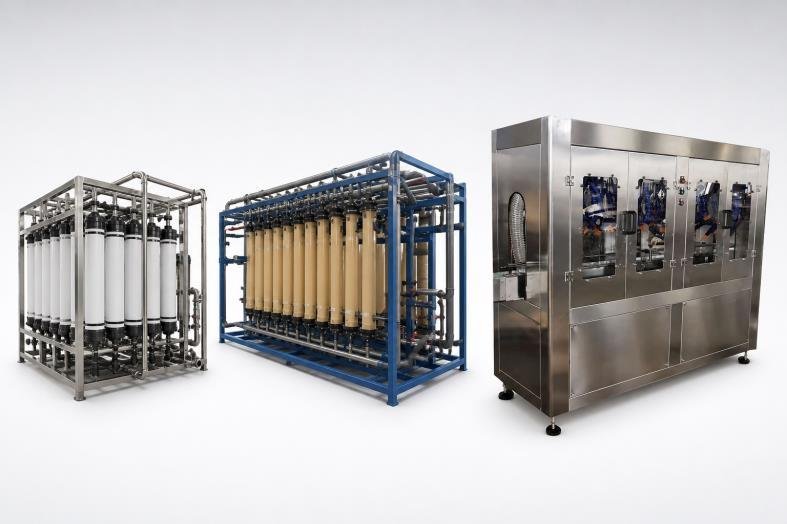
Water treatment and disinfection
View system details
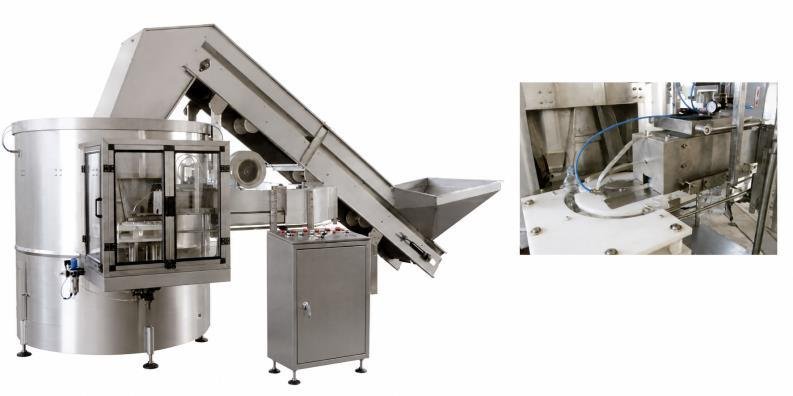 Bottle unscrambling and infeed
View system details
Bottle unscrambling and infeed
View system details
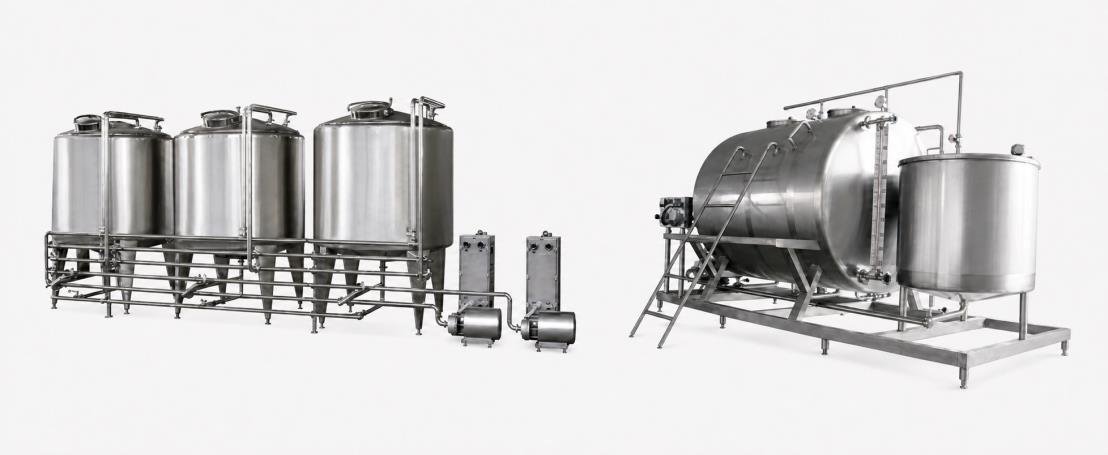 Process tanks and CIP
View system details
Process tanks and CIP
View system details
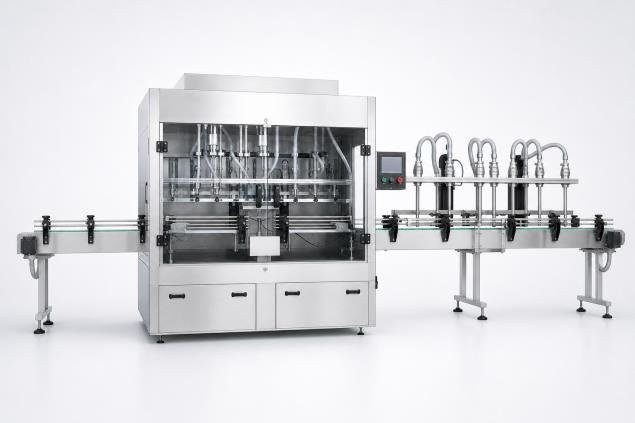 Inline filling equipment
View system details
Inline filling equipment
View system details
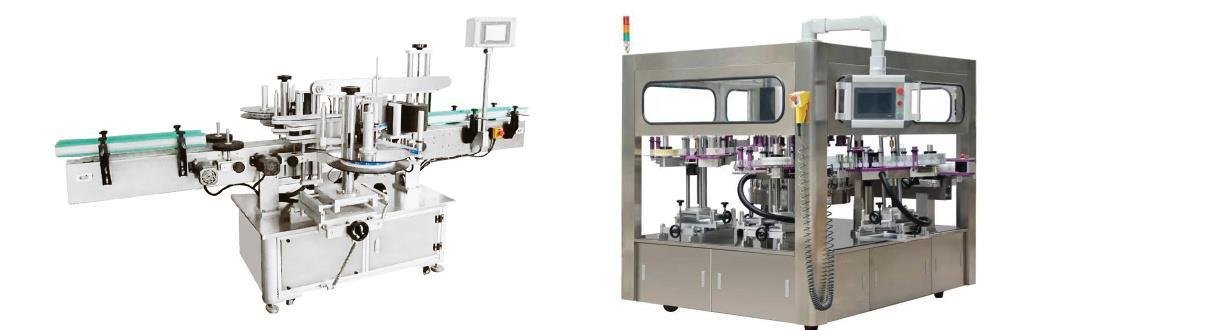 Bottle labeling systems
View system details
Bottle labeling systems
View system details
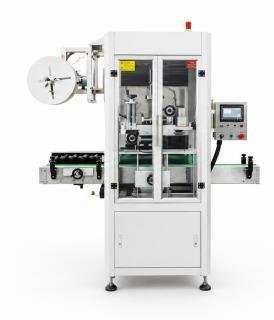 Sleeve labeling
View system details
Sleeve labeling
View system details
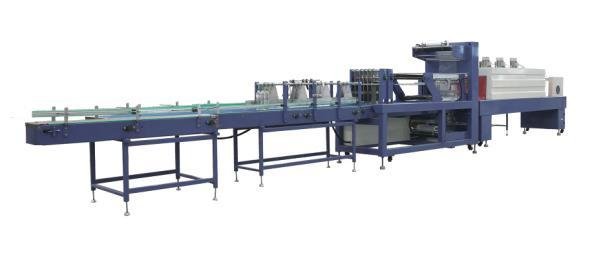 Shrink wrapping line
View system details
Shrink wrapping line
View system details
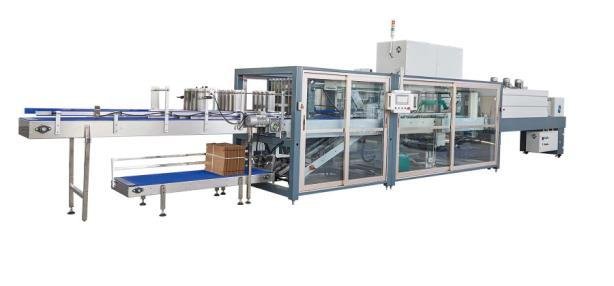 Carton packing
View system details
Carton packing
View system details
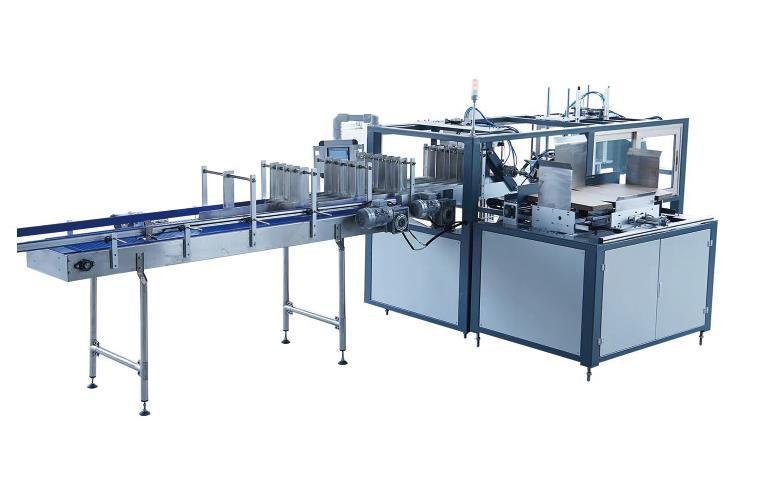 Case packing
View system details
Case packing
View system details
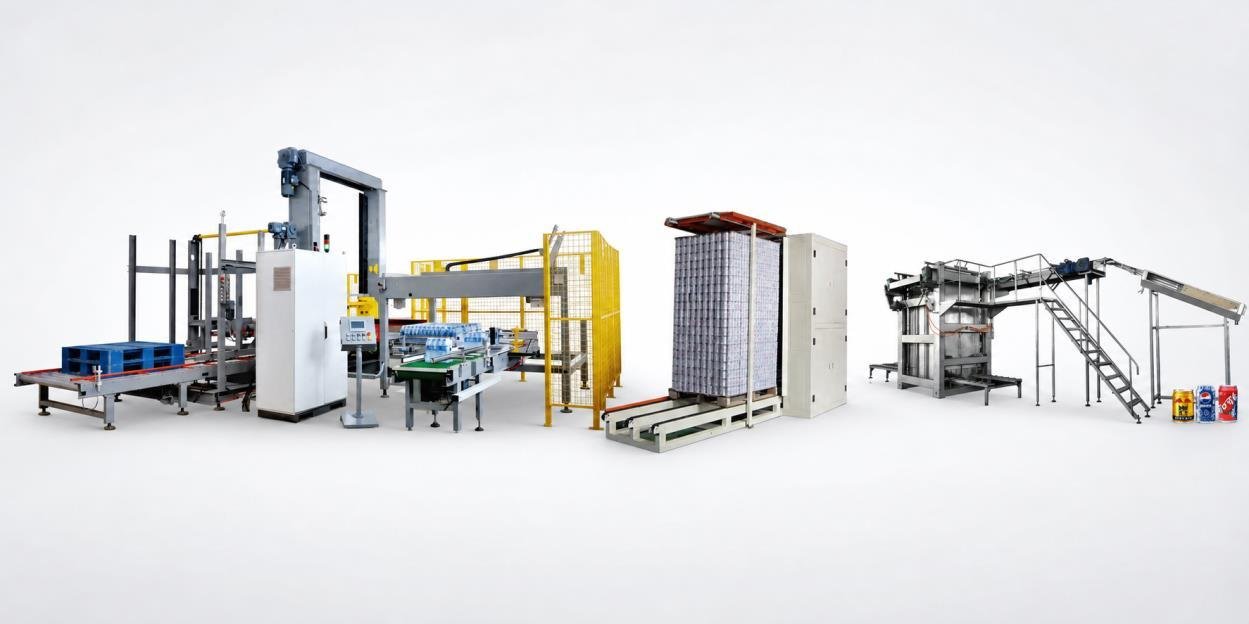 End-of-line palletizing
View system details
End-of-line palletizing
View system details
Complete-line configurations
Start from the production boundary: PET bottles, returnable 5 gallon bottles, a verified filling platform or the wider equipment architecture. Allot Tech becomes the enquiry and project-coordination contact after that technical basis is clear.
Verified equipment range
Compare nine rinsing-filling-capping models on a common 500 ml reference basis, from XGF14-12-5 at 6,000 BPH to XGF80-80-18 at 42,000 BPH, then build the connected systems around the selected output class.
Published filler-platform references; final complete-line output and configuration are project-specific.
Free procurement resources
Download editable worksheets, record one common project basis and send the completed files to sales@allottech.com.
Collect water, bottle, output, pack, factory, utility, scope, test and acceptance inputs before requesting comparable proposals.
Download RFQ Template (.csv)Record requested evidence, unresolved risks and review status without converting unsupported marketing claims into an automatic score.
Download Supplier Checklist (.csv)Assign each system, interface, site activity, test and handover record to an agreed supplier, buyer or third-party owner.
Download Responsibility Matrix (.csv)High-intent project questions
Use the complete-system guides to define the equipment specification, cost boundary, application route and supplier-ready request for quotation.
Start with four decisions
Source water, container route, XGF output class and point-of-use utility data shape the equipment list. Put them in one dated brief before comparing equipment or prices.
Source analysis and the product target define the treatment route.
See the decision inputsBlow onsite, buy empty bottles or integrate an existing bottle system.
See the decision inputsUse the 500 ml catalog directory, then submit the actual bottle, neck and cap.
See the decision inputsCollect machine-specific electrical, air, cooling and process-water requirements.
See the decision inputsTwo upstream streams
The filling center is where the water, bottle and closure requirements meet. Those three inputs select the rinsing-filling-capping equipment and its required format parts.
Product water
PET containers
Seven equipment groups
Each equipment group has a function, selection input, model or specification, quantity and scope status. Record those fields before comparing supplier totals.
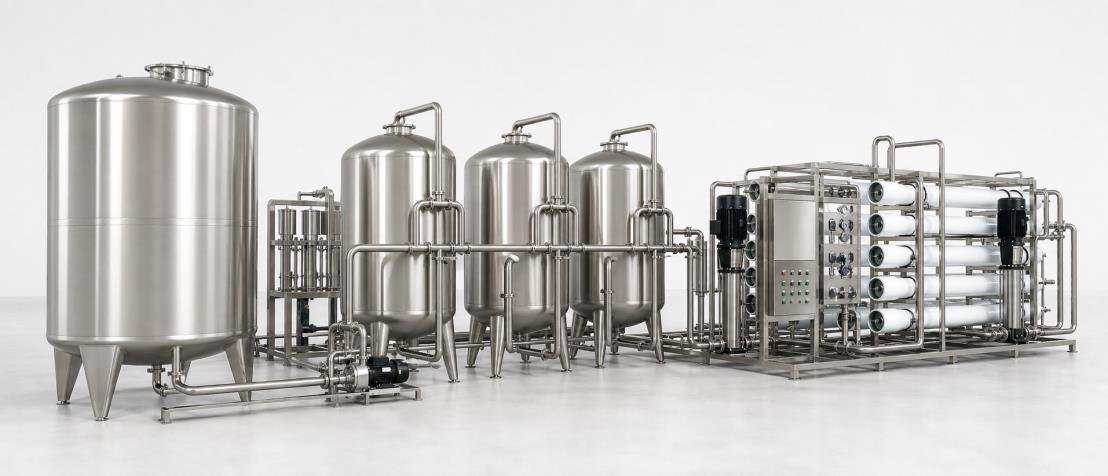
Create the required product-water conditions and deliver treated water to the filling center.
Plan the water-treatment route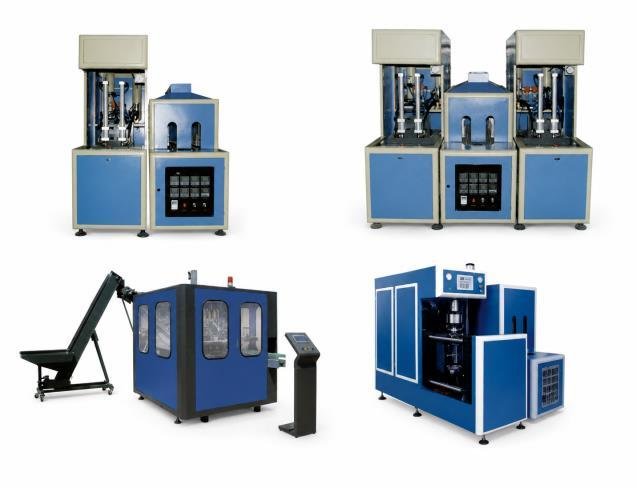
Select preform handling, blowing equipment, moulds and bottle handling from the approved container data.
Review PET bottle blowing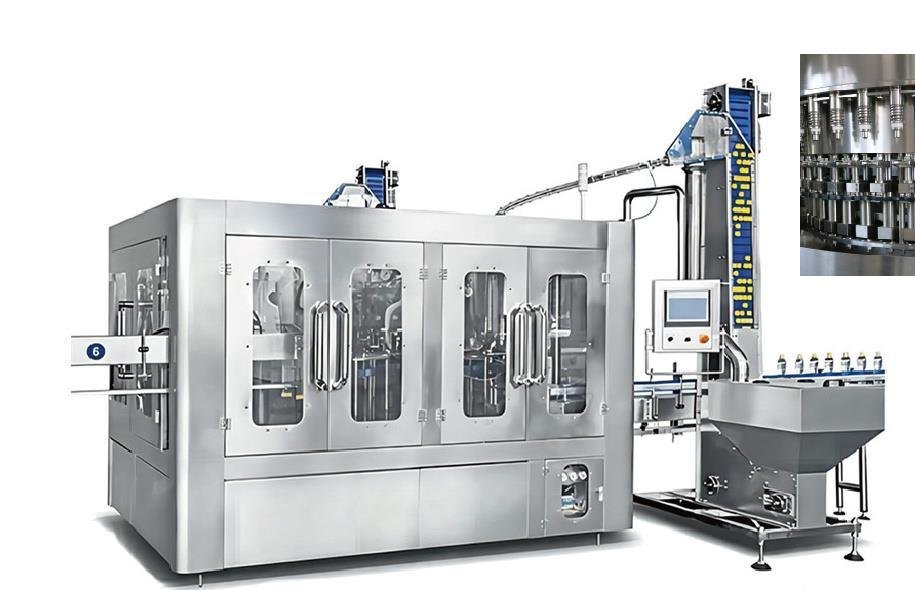
Bring bottles, treated water and closures together at the hygienic production center.
Define the filling center
Select bottle handling and the requested inspection functions for the named container formats.
Review process equipment
Apply the selected label material and traceability code to the confirmed bottle formats.
Select labeling and coding
Group bottles into the defined shrink, tray, carton or other commercial pack.
Define the final pack formatCollect machine-specific electrical, air, cooling, process-water and discharge data.
Review vendor utility dataEquipment photographs are reference examples only. Final model, layout, guarding and specification are confirmed for each project.
Buyer decision center
Use the focused guides for technical specifications, RFQ inputs, supplier evidence, equipment alternatives, source-water evidence and complete-line scope decisions.
project-planning
A useful technical specification describes required outcomes, reference conditions and responsibility boundaries without prematurely locking the project to an unexplained machine list.
Buyer tools and procurement templates
A useful request for quotation gives every supplier the same design basis and asks for the same response structure. The downloadable CSV worksheet on this page turns project assumptions, confirmed data, open questions and responsibility boundaries into reviewable fields.
Buyer tools and procurement templates
Supplier evaluation is stronger when reviewers distinguish a documented fact from a sales statement, an exception, an open question and an item that does not apply. The downloadable CSV keeps that evidence attached to the original requirement.
procurement_project_definition
Automatic and semi-automatic bottled water lines are different operating systems, not simply different price tiers. The defensible choice compares good output per shift, manual touchpoints, quality controls, utility stability, changeover work and support capability on the same bottle-and-pack basis.
buyer-decision
A filling machine performs one central process; a complete line coordinates everything needed to deliver suitable water and bottles to it and move saleable packs away from it.
buyer-decision
The right production line is the system that fits the confirmed product, container, operating plan and factory boundary, not simply the machine with the largest nameplate rate.
project-planning
A structured checklist exposes missing inputs early, keeps supplier assumptions visible and gives technical and commercial teams one project basis to review.
buyer-decision
A small bottled water production line should be sized around realistic saleable demand and operating capability. “Small” does not mean that treatment, hygiene, utilities, packing or acceptance can be omitted.
project-planning
A PET bottled water line succeeds when bottle formation or supply, treated-water delivery and downstream packaging are engineered around one reference product and one operating basis.
buyer-decision
Preforms and empty bottles place cost, space, quality control and operating responsibility in different parts of the supply chain, so the better route depends on local project conditions.
water-quality
A laboratory report becomes an engineering input only when the sample source, date, method, operating context and intended bottled-water product are also understood.
water-treatment-components
A reverse osmosis proposal becomes comparable only when feed-water variation, finished-water targets, net production demand and every supporting utility are stated on the same basis.
Buyer questions
Use these answers as a project-planning starting point. Final equipment and performance remain subject to the confirmed brief.
A filling machine covers the rinsing, filling and capping centre. A complete equipment package can also include water treatment, bottle preparation, inspection, labeling, coding, conveying and packing.
Start with the water analysis, bottle or preform drawing, neck and cap, requested XGF output class, label, pack, voltage and destination.
There is no responsible fixed figure without a common equipment brief. Treatment stages, bottle route, XGF model, formats, auxiliaries, documents and spares change the total.
Allot Tech (Suzhou) Co., Ltd. handles business enquiries through the highlighted email and telephone links and the structured quotation form.
Production routes
Purified and mineral-water projects begin with different product questions. Both still need the bottle and finished-pack systems to follow the same confirmed project basis.
Purified water
Use raw-water analysis, product-water targets, recovery and operating demand to select pretreatment, membrane and disinfection stages.
Review the purified-water routeMineral / spring water
Review source composition, product definition and project requirements before choosing processes that could change the mineral profile.
Review the mineral-water routeQuotation capacity basis
Compare proposals on the same bottle, product condition, count point and pack format before selecting equipment or discussing a complete-line price.
Record bottle volume, drawing, neck finish and approved sample status for every proposed rating.
State whether the quotation basis is filler discharge, packed product or another defined physical point.
Record the label, code, bottles per pack and format range that the connected equipment must cover.
Equipment quotation scope
A complete-line label is useful only when every machine, option, exclusion, format part, document and spare-parts item is visible.
| Equipment group | Quotation scope | Inputs needed |
|---|---|---|
| Water preparation | Named treatment stages, tanks, pumps, disinfection items and selected consumables | Water analysis, product-water basis and required water volume |
| Bottle preparation | Preform blowing and moulds, or purchased empty-bottle handling equipment | Bottle/preform drawing, neck finish and required formats |
| Filling center | Named XGF rinsing-filling-capping reference and requested change parts | Bottle, cap, water type and requested output class |
| Decoration & packing | Inspection options, labeler, coder, conveyors and secondary packing machines | Label, code, pack form and bottles per pack |
| Supporting scope | Selected auxiliaries, documents, spare parts and separately priced options | Voltage, document language, spare-parts preference and destination |
From brief to quotation
The same water and packaging inputs should drive model selection, option pricing and the final comparison sheet.
Water report, bottle or preform, neck, cap, label, pack and requested output class.
Treatment stages, bottle route, XGF reference, labeling, coding and packing machines.
Moulds, change parts, selected auxiliaries and every separately priced option.
Documents, spares, commercial terms and explicit exclusions.
Use the same dated brief for every supplier and keep revisions visible.
Allot Tech project desk
Share the source water, bottle or preform, neck and cap, requested XGF output class, label, pack, voltage and destination. We will use them as the basis for a project-specific equipment discussion.