01
Water Treatment
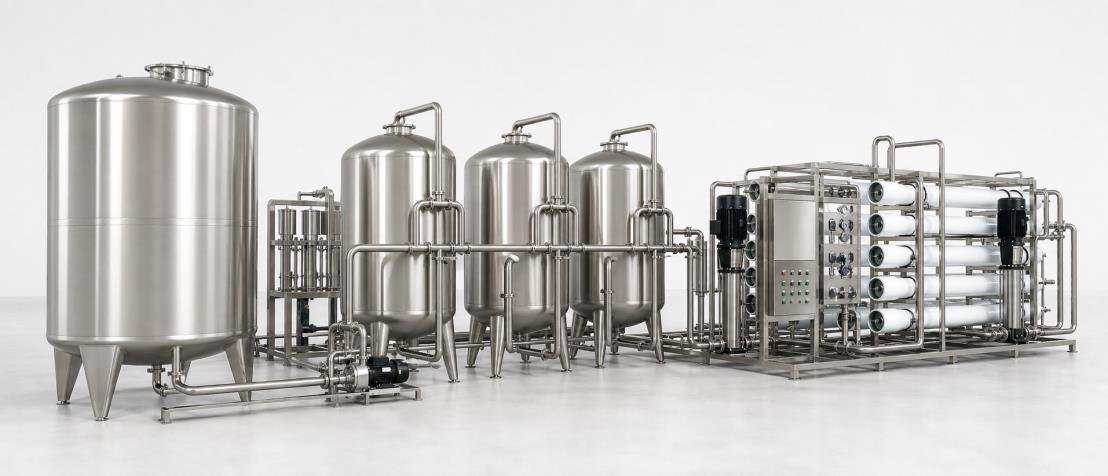
Create the required product-water conditions and deliver treated water to the filling center.
Plan the water-treatment routeEquipment architecture
Compare verified XGF filling models, then select every upstream and downstream system by function, output basis and interface.
Direct answer
A complete equipment scope can be organized into seven connected systems: water treatment, PET bottle production or handling, rinsing/filling/capping, conveying and inspection, labeling and coding, secondary packaging, and the utilities and controls that integrate them. The XGF water filling platform shown here spans 6,000 to 42,000 bottles per hour on a 500 ml reference basis, but complete-line saleable output must be confirmed against the selected bottle, water, pack and operating conditions.
Seven systems
Photographs below are reference equipment examples. They do not identify a final model, factory, project or guaranteed configuration.
Create the required product-water conditions and deliver treated water to the filling center.
Plan the water-treatment route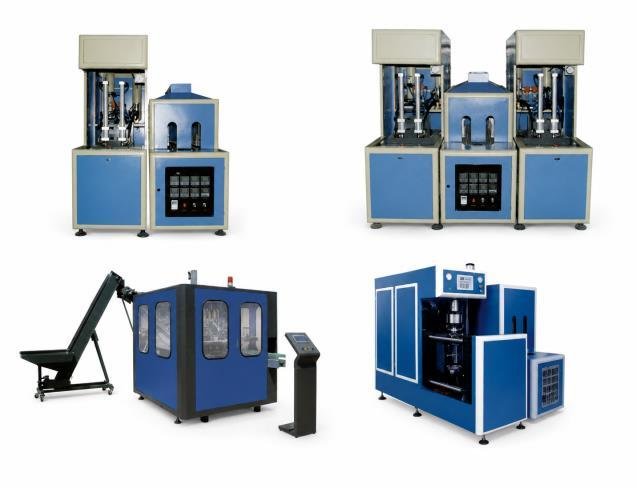
Turn approved preforms into stable bottles and connect the blower to filling without starvation.
Review PET bottle blowing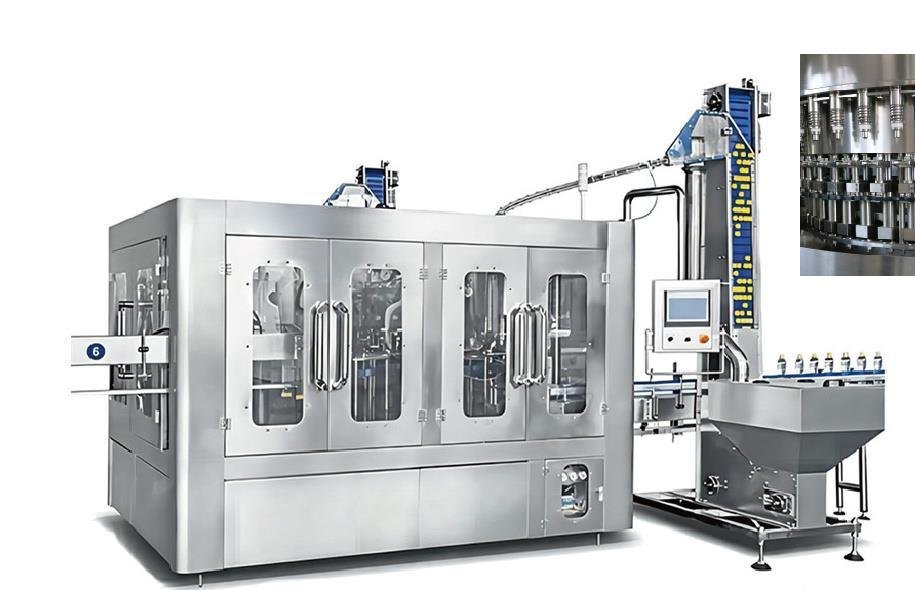
Bring bottles, treated water and closures together at the hygienic production center.
Define the filling center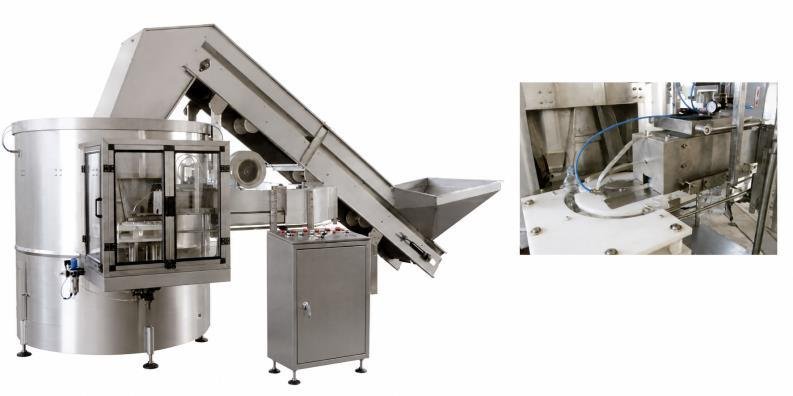
Stabilize container flow, create useful accumulation and check bottles at critical transfers.
Plan transfer and accumulation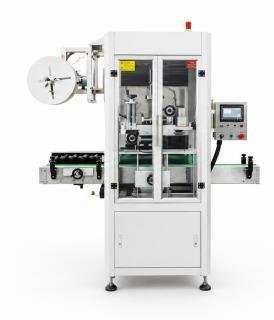
Apply the selected decoration and production code to the confirmed bottle and line speed.
Select labeling and coding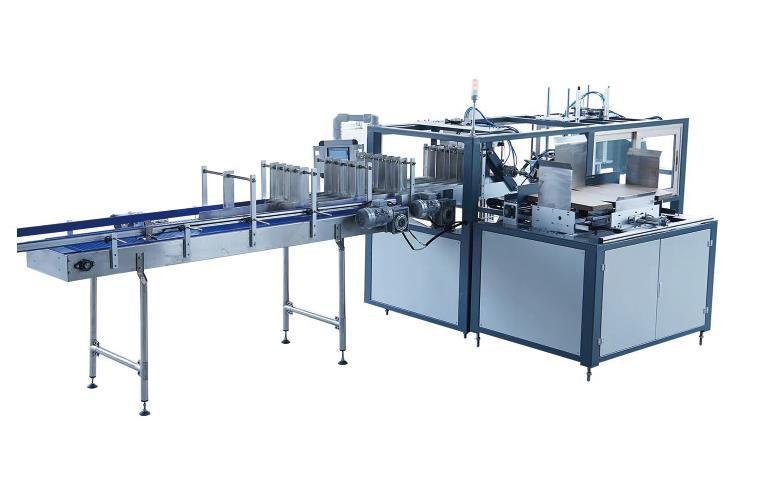
Group bottles into a defined shrink, tray or case format without creating an end-of-line bottleneck.
Define the final pack formatConnect power, air, water, drainage, controls, buffers and responsibilities around the equipment.
Prepare utility interfacesEquipment photographs are reference examples only. Final model, layout, guarding and specification are confirmed for each project.
XGF filling platform reference
The XGF family combines bottle rinsing, normal-pressure filling and capping in one monoblock. The published reference range covers 6,000–42,000 bottles per hour for 500 ml bottles, with container sizes from 500–2,000 ml.
| Model | Capacity BPH, 500 ml |
Machine size L × W × H, mm |
Weight kg |
Installed power kW |
|---|---|---|---|---|
| XGF14-12-5 | 6,000 | 2,360 × 1,770 × 2,700 | 2,800 | 2.42 |
| XGF16-16-5 | 8,000 | 2,760 × 2,060 × 2,700 | 3,800 | 3.12 |
| XGF24-24-8 | 13,000 | 2,800 × 2,230 × 2,700 | 4,800 | 3.92 |
| XGF32-32-8 | 16,000 | 4,215 × 2,960 × 2,700 | 5,800 | 4.92 |
| XGF40-40-12 | 18,000 | 4,360 × 3,300 × 2,700 | 6,800 | 7.30 |
| XGF50-50-15 | 24,000 | 5,900 × 4,123 × 2,700 | 8,600 | 7.87 |
| XGF60-60-15 | 30,000 | 5,770 × 5,288 × 2,700 | 10,800 | 11.00 |
| XGF72-72-18 | 36,000 | 6,540 × 4,900 × 2,700 | 12,800 | 11.40 |
| XGF80-80-18 | 42,000 | 7,800 × 6,380 × 2,700 | 15,000 | 15.37 |
Selection note. These are filler-platform reference ratings, not a guarantee of complete-line saleable output. Bottle geometry, water conditions, cap, downstream equipment, utilities, changeovers and the agreed test method can change the final selection.
Request a Model & Line ReviewSystem focus 01
The water-treatment system creates the required product-water conditions and delivers treated water to the filling center. It may include pretreatment, membrane separation, disinfection and storage, but the final train depends on water analysis.
System focus 02
PET bottles may be produced inline from preforms or supplied as empty containers. The equipment scope changes from blow molding and high-pressure air to bottle storage and unscrambling.
System focus 03
The filling center is followed by conveying, inspection, decoration, coding and packing. Each section must accept the line rate without damaging bottles or creating repeated stops.
System focus 04
Compressors, air treatment, receivers, chillers, tanks, pumps, sanitation provisions, electrical distribution and control interfaces are not decorative extras. Their inclusion depends on the chosen architecture and the buyer-side factory boundary.
System focus 05
A useful equipment schedule records what a system receives, what it delivers, the reference bottle or product, the expected usable rate and the utility and control conditions at each boundary.
Buyer questions
Use these answers as a project-planning starting point. Final equipment and performance remain subject to the confirmed brief.
A list is only a starting point. Selection must follow the source water, bottle route, output basis, pack format, site utilities and interfaces between each machine.
Projects often underdefine air treatment, receivers, pumps, tanks, bottle and pack conveyors, accumulation, inspection, coding, controls, change parts and utility connections.
Not necessarily. Rates should use the same reference bottle and pack, while suitable margins and buffers account for transfer behavior and normal short interruptions.
Deep technical guides
Each guide answers one narrower project question and links the result back to complete-line scope.
A complete bottled-water line needs coordinated machine states, recoverable controls and usable operating evidence, not only a list of PLC and HMI brands.
Palletizing capacity is meaningful only when the approved pack, layer pattern, pallet flow and warehouse handover are defined together.
Bottle-blowing air, pneumatic control air and air that can contact packaging or product have different duties that must be assessed at their actual use points.
A preventive-maintenance schedule states what is due, why it is due, when the machine must stop, what evidence is recorded and how equipment returns to hygienic service.
A 5 gallon water bottling line is not an enlarged version of a small PET bottle line. Returned-container control, external and internal washing, filling, capping and bottle handling must be planned as one hygiene and logistics system.
An unscrambler must do more than stand bottles upright: it must supply the downstream conveyor without damage, contamination risk, repeated jams or uncontrolled surges.
Conveyors are a dynamic interface system: they must move empty and filled bottles without instability, damage, contamination risk or repeated starvation and blocking.
An inspection plan connects each material or process risk with a measurable characteristic, a suitable detection point and a defined response.
Reliable bottled-water production depends on an asset-based maintenance system, suitable access, accurate documentation, trained people and a spare-parts stock matched to consequence and replenishment risk.
Allot Tech project desk
Share the source water, bottle, target output, pack format, factory status and destination. We will use them as the basis for a project-specific configuration discussion.