Festo compressed-air quality in food and beverage production
Industry technical reference used for risk-based air treatment and ISO 8573 quality-class context; it does not prescribe a universal class.
Classify air duties before selecting compressors and filters
Bottle-blowing air, pneumatic control air and air that can contact packaging or product have different duties that must be assessed at their actual use points.
Direct answer
Create a use-point register for every compressed-air connection and identify pressure, peak and average demand, operating simultaneity and whether the air can contact product, product-contact surfaces or the inside of a container. The plant food-safety and engineering teams should set the required particles, moisture, oil and any microbiological control basis for each duty using applicable standards and risk assessment. Then select compressor type, dryer, filters, receiver and piping to deliver that condition at the use point, not only at the compressor room outlet. Define sampling locations, methods, maintenance, alarms and acceptance under representative demand. No single ISO 8573 class or oil-free label should be applied universally to every bottling-line connection.
System focus 01
Walk the complete line and list high-pressure bottle blowing, low-pressure actuators, cap or bottle air, instrument purge, air knives and maintenance connections. Identify whether contact is direct, indirect or not expected and whether a failure could affect product or packaging hygiene. The risk assessment should also consider intake location, lubricants, downstream treatment and inappropriate cross-connections. Assign the required air-quality decision to qualified food-safety and engineering roles.
System focus 02
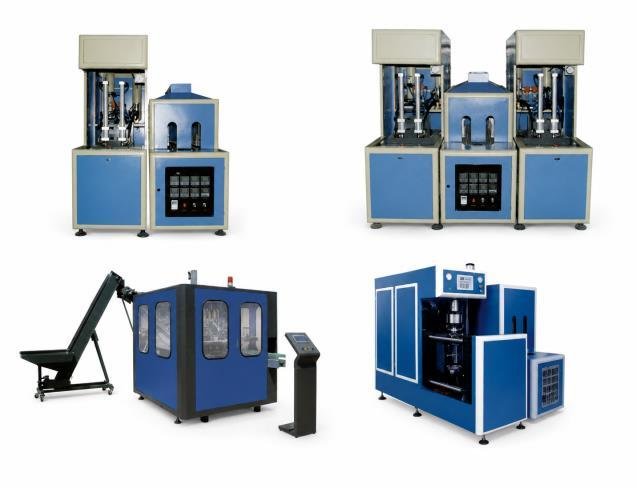
Collect normal, peak, pressure and air-quality requirements from each selected machine. Separate high-pressure PET blowing from the lower-pressure network and account for recovery systems only when their delivered condition and controls are defined. Include intermittent packers, cleaning or maintenance uses and future connections explicitly. Size receivers and distribution from demand behavior and permitted pressure variation rather than adding machine averages without a time basis.
System focus 03
Compressor technology, intake condition, aftercooling, condensate separation, drying and filtration work together. Define the required condition after each stage and the maintenance consequence of bypass or filter saturation. Dryer selection should reflect site temperature, pressure and required dew point. Install drains and condensate management that do not return contamination to the air stream or production environment.
System focus 04
Receiver condition, pipe material, dead legs, corrosion, water traps and inappropriate hoses can change air quality after the treatment skid. Design the ring or branch system for pressure stability, drainability and service isolation. Locate final filters where the risk assessment requires them and preserve access for replacement and integrity checks. Prevent maintenance air or temporary compressors from bypassing the approved treatment route without authorization.
System focus 05
Define the parameters, methods, sampling ports and operating condition before testing. A compressor-room sample may not represent a distant filler or bottle-blowing connection. Record demand, pressure, temperature, dryer state, filter condition and sample identity with results. Commission pressure stability, alarms, drains and automatic sequencing, then establish routine monitoring and maintenance based on the approved risk and equipment instructions.
Compressed-air use-point register
Do not approve the compressor room until every production connection has a defined basis.
| Use point | Demand input | Quality decision | Acceptance |
|---|---|---|---|
| PET blowing | Cycle, pressure profile and peak flow | Machine and bottle-process requirement | Sustained pressure and condition at blower |
| Pneumatic controls | Simultaneous actuators and pressure band | Equipment and maintenance requirement | Pressure stability during line operation |
| Possible contact air | Exposure route and product risk | Approved particles, moisture, oil and other basis | Representative point-of-use results |
| Distribution | Route, receiver, drains and future loads | Material and contamination-control plan | Inspection, drain and pressure records |
Air-quality requirements and sampling methods must be approved for each use point by qualified engineering and food-safety parties.
Technical reading
Confirm the standards, guidance and legal requirements that apply to the project location and product before final design.
Industry technical reference used for risk-based air treatment and ISO 8573 quality-class context; it does not prescribe a universal class.
Compressor-manufacturer reference used for the distinct high-pressure PET blowing duty and demand inputs without adopting product claims.
Official standards-catalog reference used to identify the particles, water and oil purity-class framework; the full standard and project requirements require qualified review.
Buyer questions
Use these answers as a project-planning starting point. Final equipment and performance remain subject to the confirmed brief.
No. The required quality follows the use-point contact risk, machine limits and applicable food-safety assessment. The class should state particles, water and oil separately where used.
No. Compressor technology addresses one contamination source. Intake air, moisture, particles, storage, piping, maintenance and point-of-use treatment still need assessment and verification.
They have substantially different pressure and demand duties. Any shared or recovered-air arrangement needs an engineered pressure, quality, storage and control basis from the selected equipment data.
Use representative points selected by the risk and system design, including relevant downstream or point-of-use locations. Record operating demand and treatment condition with the sample.
Capacities, process routes, layouts, utilities and equipment shown on this site are decision frameworks and reference examples. They are not a final specification, performance guarantee or offer. Confirmed scope and performance are defined in the signed technical and commercial agreement.
Allot Tech project desk
Share the source water, bottle, target output, pack format, factory status and destination. We will use them as the basis for a project-specific configuration discussion.