OSHA 29 CFR 1910.147 hazardous-energy control
Primary United States legal reference for lockout/tagout scope, procedures, training, periodic inspection, group work and restoration.
Identify every energy source before a person enters the hazard zone
Pressing stop or opening an emergency-stop circuit does not isolate air pressure, gravity, heat, charged components or energy from connected machines.
Direct answer
Develop machine-specific procedures under the applicable law and site energy-control program. Inventory electrical feeds, control supplies, pneumatic and hydraulic pressure, compressed-air receivers and accumulators, gravity, springs, thermal energy, rotating inertia, water or chemical pressure and energy entering from connected equipment. For each task, identify isolation devices, shutdown order, lock or tag points, stored-energy relief or restraint, zero-energy verification method, affected employees and group or shift-transfer rules. Only authorized and trained persons should apply and remove controls under the approved procedure. Before restart, inspect the work area, restore guards, account for people and tools, remove controls through the authorized process, notify affected personnel and test the machine safely.
System focus 01
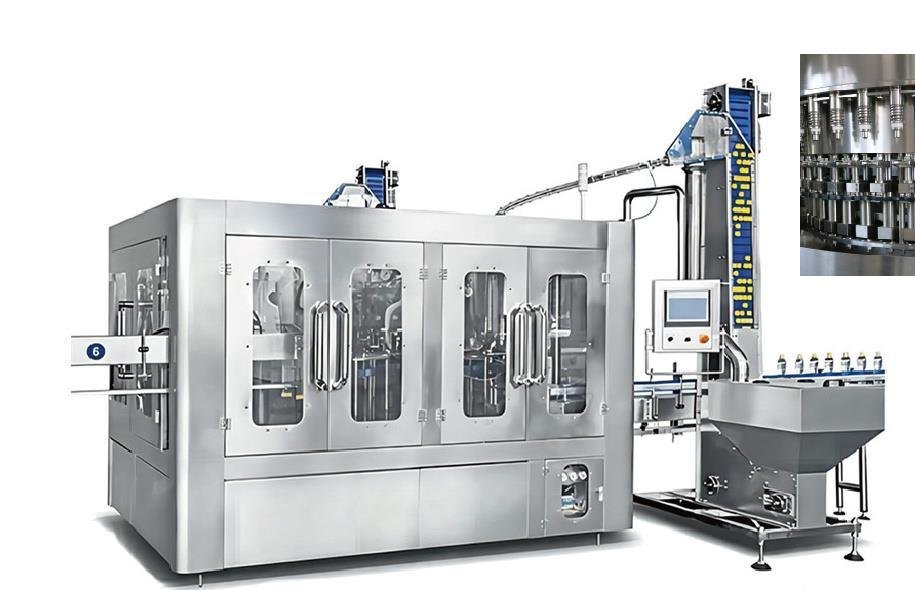
Divide the line into treatment, blowing, air conveying, filling, cap handling, conveyors, labelling, packing, palletising and utilities. Walk each asset with current electrical and pneumatic drawings and operating personnel. Identify normal supply, alternate feeds and energy crossing machine boundaries. Include stored or potential energy that remains after shutdown, such as elevated heads, springs, hot surfaces, rotating assemblies and trapped pressure. Give every isolation point a durable identity matching the procedure and field device.
System focus 02
The isolation needed to clear a sensor can differ from the isolation needed to enter a filler or dismantle a pressurized valve. Define the scope and intended use of each procedure and the orderly shutdown that avoids creating additional hazards. List each isolation device in sequence and state whether it must be locked, tagged, blocked, blanked, restrained or otherwise controlled under the approved program. Avoid generic statements such as “isolate air” when multiple branches or receivers can re-pressurize the work area.
System focus 03
After applying controls, discharge, restrain, block or allow energy to reach a defined safe state. Pressure gauges alone may be unreliable if a valve is blocked or the gauge is unsuitable, so define the verification method appropriate to each source. Attempted start or control tests must be performed safely and the controls returned to off afterward. Where pressure or energy can rebuild, continue verification during the work. Record exceptions through competent safety review rather than informal operator knowledge.
System focus 04
Large line shutdowns can involve multiple trades and suppliers. Define a group lock mechanism, primary coordinator and method that preserves each worker’s personal protection. Contractor and site procedures must be compared before work begins, including language and device compatibility. At shift change, transfer protection through a documented overlap or approved method so no gap exists. Special removal of another person’s lock requires a controlled exception procedure; convenience or production pressure is not authorization.
Energy-control inventory
Use one row per source and task boundary; do not treat the table as a substitute for the site legal program.
| Energy | Isolation device | Stored-energy control | Verification |
|---|---|---|---|
| Electrical | Named disconnect or approved isolator | Discharge or secure relevant stored energy | Approved absence-of-energy or try test |
| Pressure | Supply and branch isolation | Bleed, drain or restrain | Suitable gauge and physical check |
| Mechanical/gravity | Block or secure movement path | Lower, pin, chock or restrain | Physical stability inspection |
| Connected system | Upstream/downstream and remote isolation | Prevent restart or reaccumulation | Interface and coordinator confirmation |
Only competent, authorized personnel using the applicable site program may decide and perform hazardous-energy isolation.
Editable buyer worksheet
Record each energy source, isolation device, stored-energy control and verification method for competent local review.
Technical reading
Confirm the standards, guidance and legal requirements that apply to the project location and product before final design.
Primary United States legal reference for lockout/tagout scope, procedures, training, periodic inspection, group work and restoration.
Government training reference used for the ordered sequence of preparation, shutdown, isolation, device application, stored-energy release and verification.
Primary international machinery electrical standard reference; it must be read with applicable legal and machine-specific requirements.
Buyer questions
Use these answers as a project-planning starting point. Final equipment and performance remain subject to the confirmed brief.
No. An emergency stop is a control function and may not physically isolate all energy. Servicing isolation must follow the machine-specific energy-control procedure and applicable law.
Not necessarily. Air can have separate supplies, receivers, accumulators and trapped downstream pressure. Identify, isolate, release and verify each relevant source.
Only under the employer’s approved exceptional-removal procedure and applicable requirements. The process must provide equivalent protection and verify the worker’s status; it is not a routine shortcut.
A line-level map is useful, but tasks can require different work boundaries and isolation points. Machine- or task-specific procedures are normally needed where energy and exposure differ.
Capacities, process routes, layouts, utilities and equipment shown on this site are decision frameworks and reference examples. They are not a final specification, performance guarantee or offer. Confirmed scope and performance are defined in the signed technical and commercial agreement.
Allot Tech project desk
Share the source water, bottle, target output, pack format, factory status and destination. We will use them as the basis for a project-specific configuration discussion.