OSHA control of hazardous energy standard
Primary regulatory reference for energy-control programs, group lockout and shift or personnel changes.
Maintenance shutdown control
A planned shutdown work pack turns a list of maintenance wishes into an executable window with defined boundaries, dependencies, isolations, hygiene controls and restart evidence.
Direct answer
The pack should identify the approved scope, equipment boundary, job owner, task sequence, labor and specialist needs, controlled parts, permits, energy-isolation steps, hygienic exposure controls, inspection points, restart tests and acceptance authority. It should also show which tasks are ready, which depend on other work, what can be deferred, and how emergent work will be authorized. A shutdown is not complete when tools leave the line: open defects, temporary repairs, changed settings, replaced parts, cleaning status, test results and production handover must be reconciled in a signed closeout record.
System focus 01
Start with work orders that have a verified failure mode, consequence and equipment boundary. Separate mandatory safety, hygiene and statutory work from reliability improvements and convenience tasks. Estimate access, cooling, draining, cleaning and testing time as well as hands-on maintenance time. Apply a formal scope-freeze date so planners can secure people, parts and permits. Late additions should pass an explicit break-in gate: the owner records the risk of doing the work, the risk of deferral, the effect on the critical path and the approving authority. This prevents an overloaded window from creating unfinished work or an uncontrolled restart.
System focus 02
A task is not ready merely because it has a date. The pack should confirm drawing revision, method, parts identity, food-contact suitability where relevant, tools, calibrated instruments, lifting arrangements, contractor competence and access conditions. Create a dependency map for scaffolding, guards, product draining, electrical work, welding, software backups, cleaning and inspections. Stage controlled parts without removing traceability labels. Identify tasks that cannot safely overlap in the same zone. A readiness review should challenge assumptions and remove unready work before the line is stopped, while preserving a reserve for evidence-based emergent findings.
System focus 03
The time-phased plan should show equipment ownership, safe handoff states and isolation boundaries, not just start and finish bars. Each job uses the site energy-control procedure and a task-specific isolation plan where required. Group work needs a documented method for personal protection, shift changes, contractor participation and verification before work begins. Supervisors should update actual progress against the critical path and escalate deviations early. New defects discovered after opening equipment require recorded triage; no one should improvise a repair or alter scope without technical, safety and hygiene review.
System focus 04
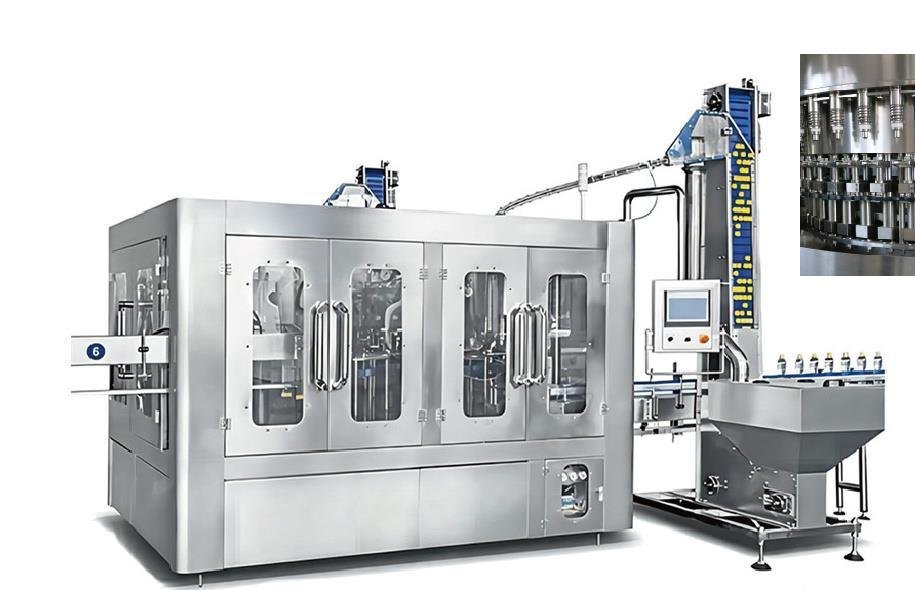
Any opening of the product or treated-water boundary changes the restart requirement. The work pack identifies exposed zones, controlled tools and parts, foreign-material checks, required cleaning or sanitizing, and the person authorized to verify restoration. Mechanical completion is followed by guard and utility checks, dry or manual function tests where appropriate, controlled energization and staged operation. Instruments affected by work are confirmed against their calibration status. Product should not be released simply because the line runs; the defined quality checks, sample results or approved conditional controls must be complete.
System focus 05
Closeout captures what was completed, changed, tested and left open. It should distinguish permanent repairs, authorized temporary conditions and deferred work. Update drawings, parts records, calibration status, preventive tasks and software or recipe backups when the work changes the controlled baseline. Production handover states the allowed operating envelope and monitoring requirements for any residual risk. After the first stable run, review break-in work, delays, repeat failures, unused parts and restart defects. Convert the lessons into improved job plans and future shutdown readiness actions rather than a narrative that disappears in meeting minutes.
Shutdown gate review
The coordinator should see the next decision and missing evidence without reading every job instruction.
| Gate | Required evidence | Decision owner | Block condition |
|---|---|---|---|
| Scope ready | Risk, boundary, job plan, parts and resources | Maintenance planner | Critical input unverified |
| Safe to work | Handoff, isolation and zero-energy verification | Authorized safety owner | Energy or zone conflict |
| Mechanically complete | Inspection, reassembly and task test | Technical owner | Open critical defect |
| Ready for product | Restoration, hygiene and quality evidence | Production and quality authorities | Release requirement incomplete |
Set local gate authorities and records in the site management system; the table is a planning framework, not a substitute for site procedures.
Editable buyer worksheet
Sequence prerequisites, isolation, parts, hygiene controls, hold points, restart tests, contingency and open-action closure.
Technical reading
Confirm the standards, guidance and legal requirements that apply to the project location and product before final design.
Primary regulatory reference for energy-control programs, group lockout and shift or personnel changes.
European Commission-hosted industry hygiene guidance used for the principle that maintenance and intervention must protect water-contact hygiene.
Buyer questions
Use these answers as a project-planning starting point. Final equipment and performance remain subject to the confirmed brief.
Set the freeze early enough to complete job planning, parts verification, contractor coordination and risk review for the site. The date is a governance gate, not a universal number. Urgent additions remain possible through a documented break-in decision that protects the critical path and restart controls.
Record the condition and affected boundary, then assess consequence, required competence, materials, isolation, hygiene impact and schedule effect. An authorized owner decides whether to execute, stabilize under a controlled temporary condition, or defer. The decision and follow-up work order remain in the closeout pack.
Only if the remaining condition has been technically assessed, the equipment is safe and hygienically releasable, operating limits and monitoring are documented, and the designated authorities accept the residual risk. An unfinished critical inspection, uncontrolled product-zone exposure or incomplete energy-control restoration should block restart.
Use completed work records, controlled test results, restoration and hygiene checks, updated technical documents, stable-run observations, open-item reconciliation and authorized handover. Schedule adherence alone is insufficient because an on-time restart can still conceal repeat defects or missing release evidence.
Capacities, process routes, layouts, utilities and equipment shown on this site are decision frameworks and reference examples. They are not a final specification, performance guarantee or offer. Confirmed scope and performance are defined in the signed technical and commercial agreement.
Allot Tech project desk
Share the source water, bottle, target output, pack format, factory status and destination. We will use them as the basis for a project-specific configuration discussion.