Schaeffler role of vibration monitoring
Official bearing and reliability technical paper used for condition-monitoring principles and early deterioration detection.
Monitor the assets and failure modes that can change a decision
Collecting vibration or temperature values is not predictive maintenance unless the point, condition, trend and response are repeatable.
Direct answer
Rank assets by consequence and failure history, then identify detectable failure modes for motors, pumps, gearboxes, blowers, compressors, fans, conveyors and other selected equipment. For each mode, choose a suitable indicator such as vibration, temperature, current, pressure, lubricant condition, ultrasound or visual evidence. Define a fixed measurement point, direction, operating state, load, speed, instrument, baseline and collection interval so results are comparable. Set alert review and escalation through competent reliability analysis rather than universal alarm values. Connect every finding to inspection or work-order action and confirm the fault during maintenance. Update baselines after approved repair or configuration change and track whether monitoring produced useful lead time.
System focus 01
List the line assets and utilities, then consider safety, product, hygiene, production, repair time, redundancy and detectability. High-speed but easily swapped components may need a different strategy from a unique compressor or filler drive. Review work orders, operator observations and OEM guidance to identify repeat losses. Do not put every bearing on an identical route; choose monitoring where a developing condition can be detected early enough to support an action and where the measurement can be taken consistently and safely.
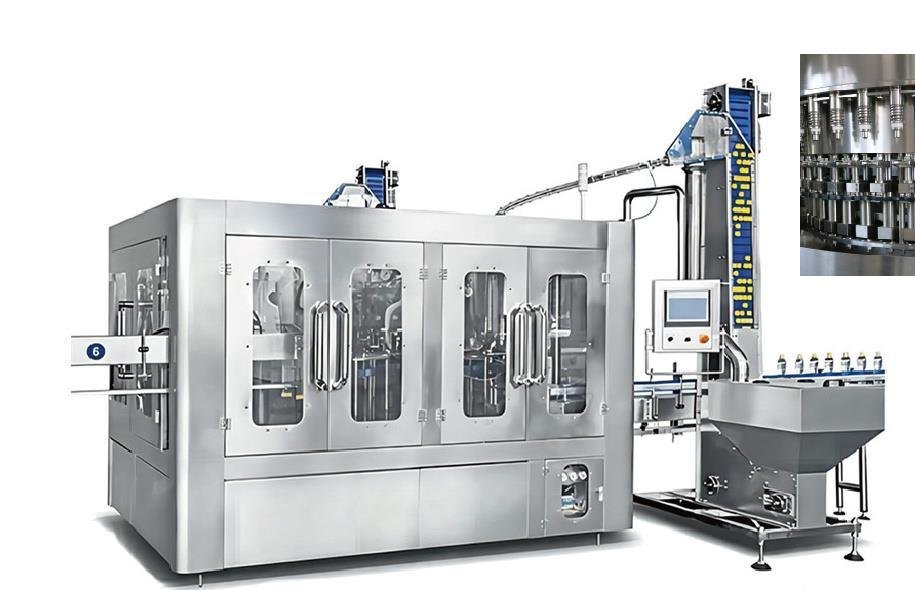
System focus 02
A single technology cannot identify every fault. Vibration can reveal many rotating-equipment conditions, while temperature, current, pressure or lubrication evidence may expose other mechanisms. Define the suspected failure mode, expected indicator and limitations before buying sensors. On a filler or conveyor, process variation can influence measurements, so operating context matters. Use trained analysis for complex spectra and avoid diagnosing a component from one elevated overall value without confirming speed, load, mounting and supporting evidence.
System focus 03
Mark each collection point and direction on a drawing or asset photo and keep the sensor mounting method consistent. Record machine speed, load, format, product state, ambient condition and nearby maintenance when they can affect the reading. Choose a collection interval based on failure development, criticality and access rather than a generic monthly route. Train personnel in safe access and data quality. A missed or poor-quality reading should be visible instead of silently carried forward in the trend.
System focus 04
Establish a baseline from known acceptable operation and review changes over time. Alert levels can come from standards, OEM guidance, machine history or specialist analysis, but must be appropriate to the point and condition. Define who reviews an alert, what corroborating checks are made, and whether the outcome is continued monitoring, planned inspection, immediate containment or shutdown. Record confidence and evidence. Maintenance planning should receive a clear suspected mode, priority and recommended confirmation task rather than a screenshot without context.
System focus 05
When equipment is opened, record the actual condition and compare it with the monitoring diagnosis. Preserve removed-part photos, measurements and cause findings. After repair, verify alignment, lubrication, mounting and operation, then establish or approve the new baseline. Track false alarms, missed faults and lead time so the route improves. A condition-monitoring program should reduce uncertainty and support better planned work; it should not be judged by the number of sensors installed or alerts generated.
Condition route
Connect asset consequence, failure mode, repeatable data and maintenance response in one route record.
| Route element | Definition | Review | Output |
|---|---|---|---|
| Asset and mode | Critical asset plus detectable failure mechanism | Is monitoring technically useful? | Included route point |
| Measurement | Point, direction, state, instrument and interval | Is the trend comparable? | Accepted data or recollection |
| Alert | Baseline, rule and supporting evidence | What is the likely consequence? | Monitor, inspect or contain |
| Feedback | Actual finding and repair result | Was the diagnosis and timing useful? | Updated baseline and route |
Condition-monitoring decisions should be made by competent reliability personnel with the relevant OEM and safety information.
Editable buyer worksheet
Plan asset criticality, failure mode, measurement point, baseline, trend review and resulting work-order decision.
Technical reading
Confirm the standards, guidance and legal requirements that apply to the project location and product before final design.
Official bearing and reliability technical paper used for condition-monitoring principles and early deterioration detection.
Official sensor-manufacturer application reference used for food-and-beverage measurement context; alarms and product claims are not adopted.
Official reliability-provider case used to illustrate that multiple indicators and trends may be needed; it is not a performance claim for this site.
Buyer questions
Use these answers as a project-planning starting point. Final equipment and performance remain subject to the confirmed brief.
Select rotating assets where failure consequence, detectability and planning lead time justify it, such as chosen motors, pumps, fans, blowers, compressors or gearboxes. Criticality and history should drive the list.
No. Machine type, mounting, speed, load, measurement point, frequency content, OEM guidance, standards and baseline history affect interpretation. Use competent analysis and documented limits.
Not automatically. Online systems suit selected critical or fast-developing conditions; repeatable routes may be sufficient elsewhere. Compare failure behavior, access, data response, support skill and cost.
Verify data quality and operating context, seek corroborating evidence, assess consequence, then assign continued monitoring, inspection, planned work, containment or shutdown under the approved decision process.
Capacities, process routes, layouts, utilities and equipment shown on this site are decision frameworks and reference examples. They are not a final specification, performance guarantee or offer. Confirmed scope and performance are defined in the signed technical and commercial agreement.
Allot Tech project desk
Share the source water, bottle, target output, pack format, factory status and destination. We will use them as the basis for a project-specific configuration discussion.