IEC 60204-1 electrical equipment of machines
Primary standards reference for the electrical-equipment boundary beginning at the machine supply connection and for associated technical documentation; project and local requirements still govern.
Name the owner of every physical and functional boundary
A complete-line order remains incomplete when a cable, pipe, transfer, signal, test material or approval is described only as “by others.”
Direct answer
Use one controlled matrix to identify every equipment package, interface, site task, document, test and approval, then assign who supplies, installs, connects, verifies and accepts it. Define the battery limit for each item as a physical or functional point: an electrical terminal, isolation valve, conveyor transfer, signal list, network endpoint, drain connection or document handover. Add required input, due gate and objective completion evidence. The matrix should cover water treatment, bottle supply, filling, inspection, packing, utilities, civil work, controls, safety, trial materials, training and open-action closure. It supports the signed specification and contract; it does not replace them.
System focus 01
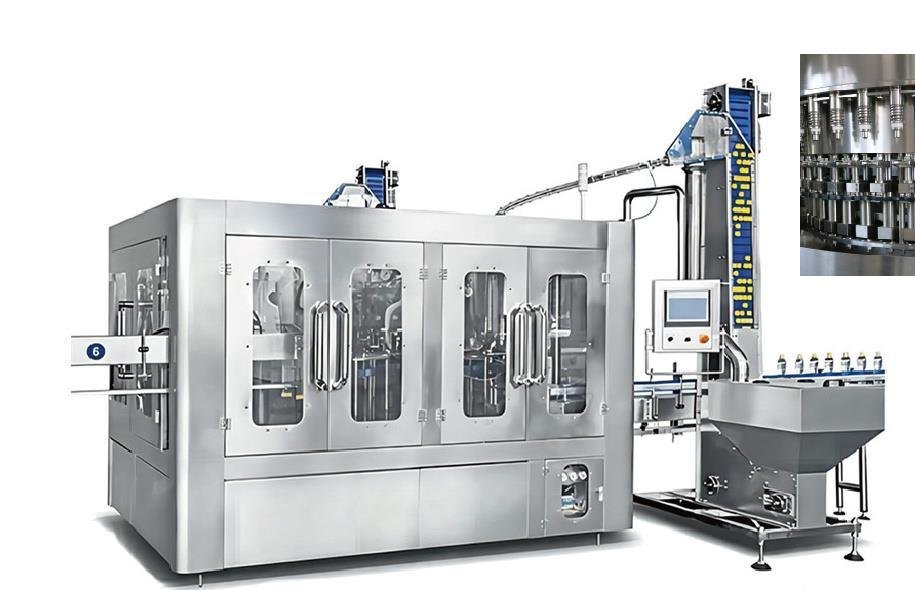
Map the line from raw-water receipt and packaging-material receipt to released pallets, then add the work needed to install and operate those systems. A principal-machine list is not a responsibility map. Include supporting compressors, cooling, chemical systems, drains, lifting, guarding, platforms, networks and storage where they affect the agreed result. Mark retained equipment and third-party packages separately. This first pass reveals work that can disappear between a machinery quotation, an EPC scope and the plant team’s assumptions.
System focus 02
A battery limit should tell both parties exactly where one scope ends and the next begins. “Air by buyer” is too vague; the matrix should identify the connection point, required condition, isolation, final pipe section, testing owner and information due date. Apply the same discipline to conveyors, electrical feeders, drains and control signals. Where a boundary has two sides, name the deliverable from each side and the integrated test that proves the connection works under the agreed operating condition.
System focus 03
One “responsible party” column cannot describe a multi-supplier project. Distinguish the organization that provides information, performs the task, coordinates access, witnesses the test, reviews the record and grants acceptance. Use role names or legal entities rather than an unnamed “vendor” or “customer.” Tie each assignment to a project gate so late inputs are visible before they stop design, manufacturing or site work. One accountable owner should remain for every open item even when several teams contribute.
System focus 04
The highest-risk entries are often interfaces rather than machines. Bottle geometry affects blowing, air conveying, filler handling and capping. Pack pattern affects packer discharge, conveyors, palletising and warehouse movement. A change to any shared input should identify all affected owners and records before approval. Add a revision field and link the matrix to the specification, interface schedule and action register. Superseded responsibility assignments should remain traceable instead of being silently overwritten in meeting notes.
System focus 05
Completion means that the assigned deliverable is usable at the agreed project stage. A compressor delivered without the specified outlet condition, a PLC backup that cannot be identified, or a utility connection without a test record is not a closed boundary. Define evidence while negotiating the scope: approved drawing, material certificate where required, installation inspection, calibration record, functional test, training record or signed handover. Record operating restrictions and temporary measures for open items rather than hiding them behind overall completion.
Responsibility worksheet
Use one row per interface or deliverable; never group unrelated “by buyer” tasks into a single line.
| Boundary | Information required | Named roles | Closure evidence |
|---|---|---|---|
| Physical interface | Location, dimensions, condition and due gate | Supplier, installer and verifier | Approved drawing plus installation check |
| Controls interface | States, signals, protocol and failure behavior | Machine owners and integrator | Interface list plus integrated test |
| Project service | Access, materials, method and acceptance basis | Provider, witness and approver | Signed service or test record |
| Open action | Operational effect and temporary control | Accountable owner and reviewer | Objective correction and closure approval |
The signed contract, approved specifications and competent legal or safety review remain authoritative for the final responsibility allocation.
Editable buyer worksheet
Assign each system, interface, site activity, test and handover record to an agreed supplier, buyer or third-party owner.
Technical reading
Confirm the standards, guidance and legal requirements that apply to the project location and product before final design.
Primary standards reference for the electrical-equipment boundary beginning at the machine supply connection and for associated technical documentation; project and local requirements still govern.
Primary regulatory reference used to identify process, sanitation, coding and record responsibilities relevant to a bottled-water facility in the United States.
International primary reference for hygienic facility, processing, packaging and sanitation boundaries; destination rules may differ.
Buyer questions
Use these answers as a project-planning starting point. Final equipment and performance remain subject to the confirmed brief.
No. The equipment list states what is offered. The responsibility matrix also covers information, connections, site work, tests, documents and approvals, and identifies the exact boundary and completion evidence for each item.
It is the agreed physical or functional point where one party’s scope ends and another begins. Examples include an electrical terminal, air isolation valve, conveyor transfer, drain flange, signal list or network endpoint.
The contract should name the accountable integration role. Individual suppliers may own their machines, while a line integrator, EPC or buyer coordinates cross-machine mechanics, controls, safety and acceptance. The page cannot assign that role for a project.
Create it before quotations are normalized, develop it during technical clarification and control revisions through design, FAT, site work and handover. Freezing does not prohibit change; it makes later changes visible and approved.
Capacities, process routes, layouts, utilities and equipment shown on this site are decision frameworks and reference examples. They are not a final specification, performance guarantee or offer. Confirmed scope and performance are defined in the signed technical and commercial agreement.
Allot Tech project desk
Share the source water, bottle, target output, pack format, factory status and destination. We will use them as the basis for a project-specific configuration discussion.