Codex hygienic practice for packaged drinking waters
International guidance used for product protection, packaging hygiene and traceability context during production transitions.
Changeover identity control
Line clearance proves that the previous product and its coded packaging cannot enter the next run; material reconciliation proves where issued, used, returned and destroyed quantities went.
Direct answer
Define the boundary and stop point for the outgoing SKU, remove and identify all bottles or preforms, caps, labels, film, cartons, code data, samples and work in process from the line and surrounding storage, then reconcile issued quantities against used, returned, scrapped and unexplained material. Load the next approved materials and settings, verify identity and first-off output, and obtain the required independent release before routine production. Pay special attention to hidden conveyor pockets, labeler magazines, cap elevators, coder queues, rework containers and staged pallets. Any unexplained identity-critical material should block release until investigated.
System focus 01
The changeover record should name the outgoing and incoming product, bottle or preform, cap, label, secondary packaging, code format, pallet pattern and relevant recipe. Define the last acceptable outgoing unit and how it will be identified. Map the physical clearance zone from material staging through pallet discharge, including accumulation tables and manual packing points. Assign responsibility for production, warehouse, packaging and quality checks. If two SKUs share similar colors or artwork, identify the higher mix-up risk and strengthen segregation or verification before materials reach the line.
System focus 02
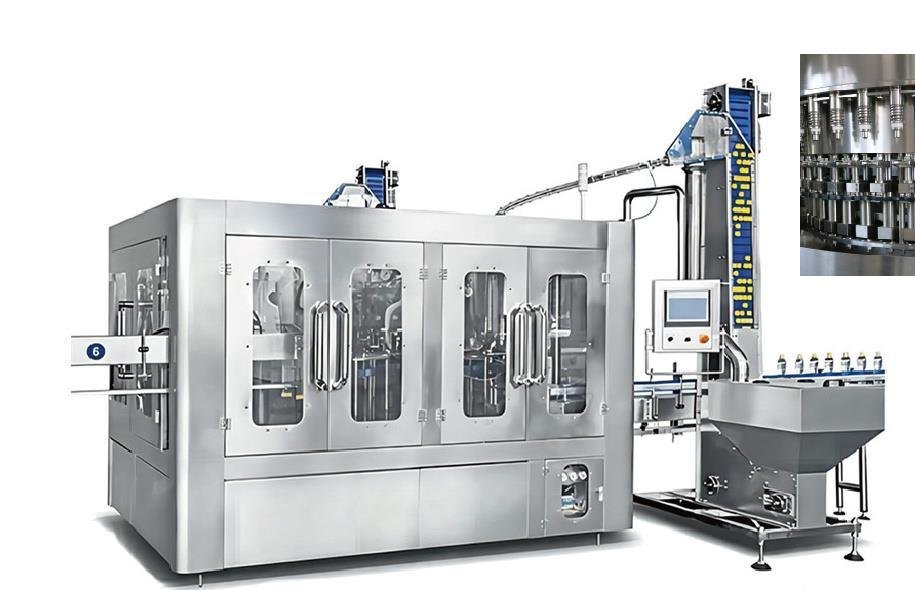
Run down or remove outgoing bottles and packaging using the approved stop sequence. Inspect unscramblers, air conveyors, dead plates, filler and capper transfers, cap elevators, label magazines, coder paths, packers, shrink tunnels, pallet stations and reject containers. Clear loose labels, caps and part cases from work surfaces and trolleys. Digital clearance includes printer templates, variable data queues, scanner references, recipes and pallet labels. Material found after clearance is a deviation because it shows the inspection route or equipment design has a blind spot; record the location and improve the standard.
System focus 03
Record the quantity issued to the line and account for production use, verified waste, quality samples, authorized returns and destruction in a consistent unit. For roll-fed labels or film, use the approved estimation or measurement method and state its limits. Identity-critical printed material deserves a tighter investigation of discrepancies than an unprinted commodity because one stray label can misidentify product. Returns remain sealed or controlled, retain their original lot identity and are accepted back by the warehouse. Do not force arithmetic to balance by entering unexplained waste; investigate abnormal variance and preserve the actual observation.
System focus 04
Only approved, released materials for the incoming SKU enter the cleared zone. Verify internal code, supplier lot, artwork revision, dimensions or format and machine orientation at issue and loading. Load controlled recipes and variable code data with authorized access. Produce a defined first-off set that represents label, code, cap, bottle, pack and pallet outputs as applicable. Compare it with current masters and specifications using qualified scanners or gauges where required. A correct label on one bottle does not prove the pallet label, case code and enterprise record agree, so verify the complete identity chain.
System focus 05
The clearance record identifies who performed each route, when, what was found and how discrepancies were resolved. A second trained person or validated automated control verifies the critical identity points according to the site risk system. Photographs can support evidence but should not replace a specific signoff tied to equipment and material codes. Preserve outgoing reconciliation, returned-material records, first-off samples or images and incoming approvals with the batch. Trend late-found materials, code errors and reconciliation variance by location and cause, then improve access, staging or scanner controls.
Changeover release gates
The next SKU should not begin until every critical path has a verified state.
| Path | Outgoing proof | Incoming proof | Block condition |
|---|---|---|---|
| Primary package | Bottle or preform and cap paths empty | Correct released materials loaded | Unidentified unit remains |
| Printed identity | Labels and cartons reconciled | Artwork and orientation verified | Obsolete print unaccounted |
| Variable data | Old jobs and queues cleared | Code and scanner master approved | Data source mismatch |
| Finished load | Old pallets identified and removed | First case and pallet chain correct | Warehouse identity conflict |
Define material-specific tolerances, reconciliation methods and independent checks in the controlled site procedure; identity-critical discrepancies require investigation, not arithmetic adjustment.
Editable buyer worksheet
Reconcile previous and next SKU materials, codes, machine settings, removed quantities, first-off checks and release.
Technical reading
Confirm the standards, guidance and legal requirements that apply to the project location and product before final design.
International guidance used for product protection, packaging hygiene and traceability context during production transitions.
Sector guidance used for bottled-water production records, packaging control and traceability principles.
Regulatory inspection source used to identify coding and production record relationships relevant to line clearance.
Buyer questions
Use these answers as a project-planning starting point. Final equipment and performance remain subject to the confirmed brief.
No. Cleaning removes soil or contamination to a defined hygienic condition. Line clearance removes and reconciles previous product, packaging and identity data so they cannot enter the next run. The activities can share a stop window but need distinct acceptance evidence.
Prioritize items whose carryover can misidentify or compromise product, such as printed labels, coded cartons, caps with distinct claims and variable-code data. The site risk assessment and legal labeling obligations determine the exact controls; unprinted material still needs inventory and contamination control.
Stop the incoming release, secure the found item and repeat the relevant clearance boundary. Investigate where it was hidden and whether more could remain or already reached product. Update the route or equipment control and document disposition of any uncertain start-up output.
A validated scanner can strengthen identity checks, but it sees only presented and readable codes. It may not find material hidden in equipment or verify physical removal, artwork details and uncontrolled templates. Define which risks automation covers and retain trained physical verification for the rest.
Deep technical guides
Each guide answers one narrower project question and links the result back to complete-line scope.
A startup and shutdown SOP coordinates utilities, sanitation release, materials, machine state and product status so the line enters and leaves production safely. It should distinguish normal, planned extended and emergency shutdown conditions.
Capacities, process routes, layouts, utilities and equipment shown on this site are decision frameworks and reference examples. They are not a final specification, performance guarantee or offer. Confirmed scope and performance are defined in the signed technical and commercial agreement.
Allot Tech project desk
Share the source water, bottle, target output, pack format, factory status and destination. We will use them as the basis for a project-specific configuration discussion.