FDA bottled-water safety overview
Primary US overview used for general sampling, analysis, sanitary production and record concepts; local applicability must be confirmed.
Define the test program before buying laboratory instruments
A useful plant laboratory is built around approved methods, representative sampling and release decisions rather than a copied equipment list.
Direct answer
Build the laboratory scope from the applicable product, source-water, process and record requirements for the actual destination. Create a sampling and inspection matrix that names the location, parameter, method, frequency, qualified performer, instrument, record, reviewer and consequence of each result. Separate routine in-process checks from microbiological, chemical or other analyses that require a qualified external laboratory. Only then select instruments, benches, utilities, storage and environmental controls. The plan must also define calibration, reference materials, sample identity, data review, product hold and release, nonconformance and corrective action. A generic instrument package cannot establish compliance or product safety.
System focus 01
List each product, source and destination before defining tests. Responsible local specialists should identify applicable standards, recognized methods, laboratory qualifications and reporting obligations. Convert those requirements into plant decisions such as source acceptance, treatment adjustment, packaging release and finished-product release. Keep statutory testing separate from additional process-monitoring checks so neither purpose is misrepresented.
System focus 02
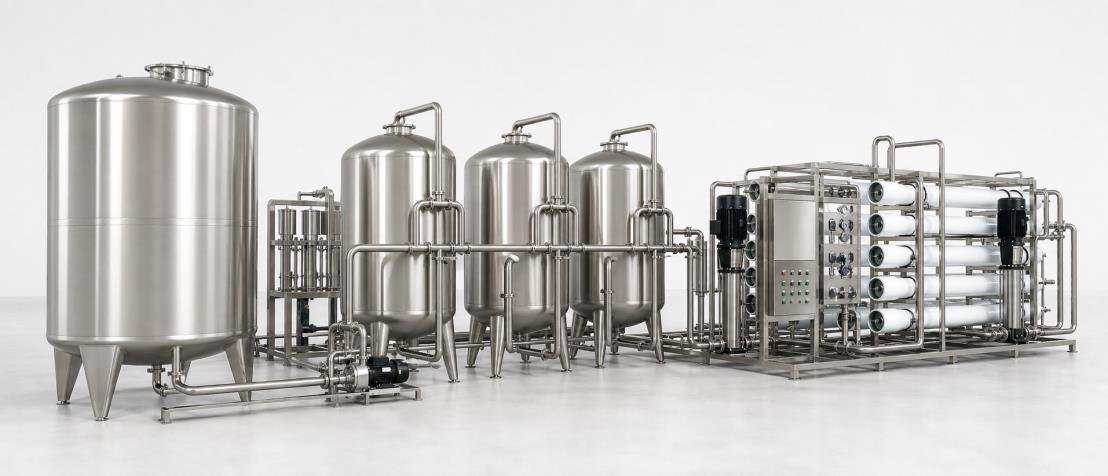
Sampling points can include source, treatment stages, storage, filler feed, packaging inputs and finished product, but the correct plan follows the process risks and applicable rules. Each sample needs identity, location, date, time, production context, collector and preservation or transport instruction where relevant. Define the result limit or decision rule and what happens while results are pending. This prevents an isolated number from being separated from the product and process it represents.
System focus 03
Some rapid operating measurements can be performed near production, while other analyses require specialized capability, controlled conditions or formal recognition. Review staffing, training, biosafety, waste, quality assurance and expected sample volume before bringing a method in-house. Define external laboratory selection, sample shipment, turnaround and result communication. The boundary should be documented and periodically reviewed rather than inferred from which instruments are available.
System focus 04
Choose equipment only after the approved method defines range, accuracy, environment and sample preparation. Arrange receipt, preparation, testing, incubation or storage, data review and waste routes to reduce mix-ups and incompatible activities. Maintain instrument identity, status, calibration, checks, maintenance and out-of-tolerance assessment. Reagents, standards and media need controlled receipt, storage, expiry and disposal appropriate to their use.
System focus 05
A laboratory result becomes useful when its review and consequence are predetermined. Define who places product on hold, who evaluates an unexpected result, whether and how retesting is permitted, and who authorizes disposition. Link records to the source, production lot, equipment state and corrective work. Trend relevant process and product data without replacing required individual-result decisions. Equipment commissioning and a passed water run do not replace the operating quality program.
Laboratory scope matrix
Complete this matrix with qualified local review before instruments or rooms are finalized.
| Control area | Plan before startup | Evidence | Decision owner |
|---|---|---|---|
| Source and treatment | Points, parameters, methods and operating context | Sample and process records | Quality and operations roles |
| Packaging | Bottle, cap, label and finished-pack checks | Inspection and supplier evidence | Packaging-quality role |
| Laboratory | In-house and external method boundary | Qualification and calibration register | Laboratory manager or qualified provider |
| Product release | Hold, review, investigation and disposition | Lot-linked release record | Authorized release role |
Applicable tests, frequencies, qualifications and release requirements must be confirmed for the product and destination.
Editable buyer worksheet
Map each sampling point, test purpose, method reference, acceptance source, record and deviation route before finalizing the site quality plan.
Technical reading
Confirm the standards, guidance and legal requirements that apply to the project location and product before final design.
Primary US overview used for general sampling, analysis, sanitary production and record concepts; local applicability must be confirmed.
Industry reference used to distinguish process, packaging and product-control areas without adopting a universal testing program.
Intergovernmental reference used to frame hygiene, hazard and process-control responsibilities.
Buyer questions
Use these answers as a project-planning starting point. Final equipment and performance remain subject to the confirmed brief.
No. Required parameters, methods, qualifications, frequencies and facilities vary by product and jurisdiction. Define the approved program before selecting instruments.
Not necessarily. Separate routine process checks from analyses that require specialized or formally qualified laboratories, then document the external laboratory and sample-handling interface.
A traceable sample has a unique identity linked to location, date, time, collector, product or lot, operating context, method, preservation, transport and result review.
No. Commissioning evidence applies to defined test conditions. Routine production needs the approved ongoing sampling, monitoring, sanitation and release program.
Deep technical guides
Each guide answers one narrower project question and links the result back to complete-line scope.
A defensible sampling plan states what decision each sample supports and how the selected units represent defined production, instead of collecting bottles at an unexplained fixed frequency.
A calibration sticker shows an event, not whether the instrument range, method and uncertainty are suitable for a product or process decision.
A microbiological testing plan should detect changes in source, treatment, storage, filling and finished product while meeting applicable legal obligations. Organisms, methods, sample points and frequencies must support a defined decision, not produce isolated laboratory numbers.
A bottled water chemical monitoring plan connects source hazards, treatment performance, product composition and destination requirements. The parameter list and frequency should respond to risk and change, while the analytical method and reporting limit must support the required decision.
Capacities, process routes, layouts, utilities and equipment shown on this site are decision frameworks and reference examples. They are not a final specification, performance guarantee or offer. Confirmed scope and performance are defined in the signed technical and commercial agreement.
Allot Tech project desk
Share the source water, bottle, target output, pack format, factory status and destination. We will use them as the basis for a project-specific configuration discussion.