FDA HACCP principles and application guidelines
Primary source used for the general HACCP development sequence, validation, verification and record concepts.
Build the food-safety plan from the actual plant and product
A HACCP plan is a site-specific control system developed by a qualified team, not a generic list of critical control points copied from another bottling plant.
Direct answer
Assemble a qualified multidisciplinary team, define each bottled-water product and intended use, and draw the complete process from source and packaging receipt through treatment, container preparation, filling, packing, storage and dispatch. Verify that flow in the real plant, then evaluate biological, chemical and physical hazards at each step together with existing prerequisite programs. Determine significant hazards and appropriate controls using the accepted method for the applicable food-safety system. For controls managed within HACCP, establish validated limits or criteria, monitoring, correction and corrective action, verification and records. The resulting plan must reflect the actual source, equipment, product, jurisdiction and operating practice; this page cannot assign universal CCPs.
System focus 01
The plan should identify the people who understand source water, treatment, microbiology, packaging, sanitation, maintenance and production. Describe the product, processing, packaging, storage, distribution and intended consumers using approved information. Set the facility and process boundaries so incoming water, bottles, caps, chemicals and outsourced activities are not omitted. Record assumptions and obtain qualified review where the team lacks expertise.
System focus 02
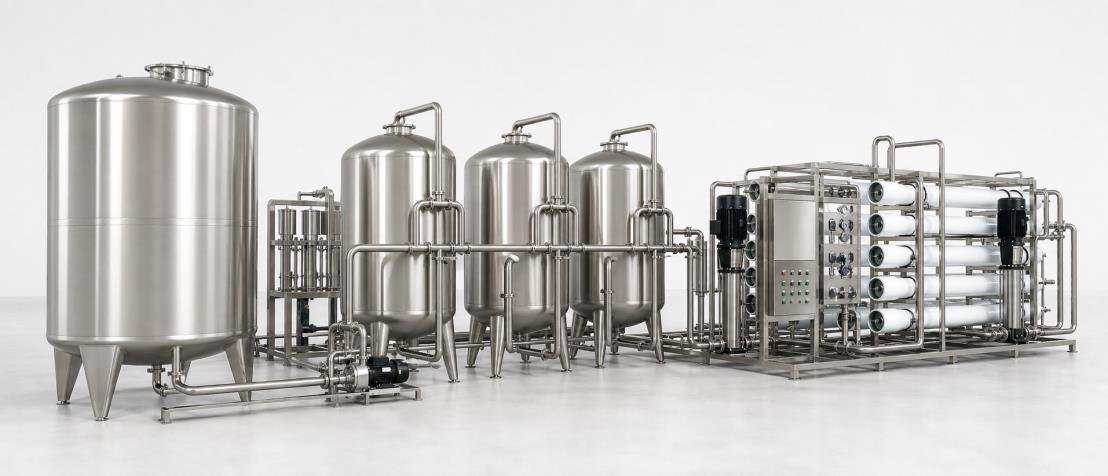
The flow should include water-source receipt, each treatment stage, storage, filler feed, bottle or preform handling, closure handling, filling, inspection, packing, rework where permitted, storage and dispatch. Include utilities or added materials that can affect the product. Walk the process during relevant operating states and revise the diagram when it does not match actual equipment, bypasses, returns or cleaning connections.
System focus 03
Facility hygiene, supplier approval, potable service water, sanitation, maintenance, pest control, personnel practices, chemical control, calibration, traceability and recall normally provide the operating foundation. Assess whether these programs are documented, implemented and verified. A weak prerequisite program should not be hidden by labeling many steps as CCPs. The applicable food-safety framework and qualified team determine how operational prerequisite programs or comparable controls are classified.
System focus 04
At each step, identify reasonably expected biological, chemical and physical hazards, their sources and existing control measures. Evaluate significance with the approved method and retain the reasoning. Where a significant hazard requires a process control, determine the appropriate control point and establish a scientifically or technically supported limit or criterion. Do not transfer limits, ozone settings, wash conditions or sampling frequencies from another factory without confirming their relevance and validation basis.
System focus 05
For each controlled point, define what is measured or observed, method, frequency, responsible person and record. Predetermine corrections for affected process and product plus corrective action for the cause. Verification should review records, calibration, observation, sampling, complaints and plan effectiveness, while validation supports whether the control can work as intended. Reassess the plan after relevant source, product, equipment, process, layout or regulatory changes.
HACCP development record
Use qualified site review to complete each gate rather than adopting generic CCP names.
| Gate | Question | Required record | Approval |
|---|---|---|---|
| Scope and flow | Does the diagram match the product and plant? | Product description and verified flow | HACCP team |
| Hazard analysis | Which hazards are significant and why? | Step-by-step analysis and rationale | Qualified team review |
| Control plan | How is each significant hazard controlled? | Limit, monitoring and action schedule | Responsible process owner |
| Verification | Is the plan implemented and effective? | Review, validation and reassessment evidence | Authorized food-safety role |
This planning guide does not assign CCPs, legal requirements or validated operating limits for an individual plant.
Technical reading
Confirm the standards, guidance and legal requirements that apply to the project location and product before final design.
Primary source used for the general HACCP development sequence, validation, verification and record concepts.
Intergovernmental bottled-water hygiene reference used to frame product-specific hazard and control considerations.
Sector guide used for practical hygiene-system context; legal applicability and current local requirements need separate review.
Buyer questions
Use these answers as a project-planning starting point. Final equipment and performance remain subject to the confirmed brief.
There is no responsible universal list. The qualified HACCP team determines controls from the actual source, product, process, prerequisite programs, hazards and applicable framework.
No. The flow must be verified onsite and used for a documented hazard analysis, control decisions, monitoring, corrective action, verification and records.
An equipment supplier can provide process and machine information, but the operating business and its qualified food-safety team must develop, approve and maintain the site-specific plan.
Review it at the frequency required by the applicable system and after relevant changes, incidents, new hazards, equipment or process modifications, source changes or evidence that controls may not be effective.
Deep technical guides
Each guide answers one narrower project question and links the result back to complete-line scope.
A bottled water GMP program defines the facilities, hygiene, personnel, process, sanitation, pest, material and record controls needed to produce and hold product consistently. It should be mapped to applicable destination requirements and the actual plant, not copied as a generic checklist.
Capacities, process routes, layouts, utilities and equipment shown on this site are decision frameworks and reference examples. They are not a final specification, performance guarantee or offer. Confirmed scope and performance are defined in the signed technical and commercial agreement.
Allot Tech project desk
Share the source water, bottle, target output, pack format, factory status and destination. We will use them as the basis for a project-specific configuration discussion.