Codex packaged drinking-water hygiene provisions
Intergovernmental reference used for filling protection, air, condensation, container and closure hygiene concepts.
Monitor the protected filling environment from a risk-based plan
Environmental monitoring supports verification of hygienic controls when sampling locations, methods, trends and actions are connected to the actual filling-room risks.
Direct answer
Begin with a hygienic risk assessment of the exposed-bottle and closure route, air movement, condensation, drains, water aerosols, people, materials and cleaning activities. Define zones and select sampling locations that can verify the controls relevant to the actual plant. For each air, surface, water or other environmental check, state the method, timing, responsible person, alert and action logic, record and product-impact assessment. Review trends and investigate unusual or repeated results together with operations, maintenance and sanitation records. The plan must be developed by qualified quality personnel for the applicable product and jurisdiction; a universal sample count or microbial limit should not be copied from another facility.
System focus 01
Map the bottle from its last preparation step until closure is securely applied. Identify openings in the enclosure, cap entry, personnel doors, drains, washdown routes, maintenance access and airflow relationships. Record which surfaces are product-contact, adjacent, transfer or general room surfaces. This map provides the reason for sampling and prevents arbitrary points from replacing control of the actual contamination route.
System focus 02
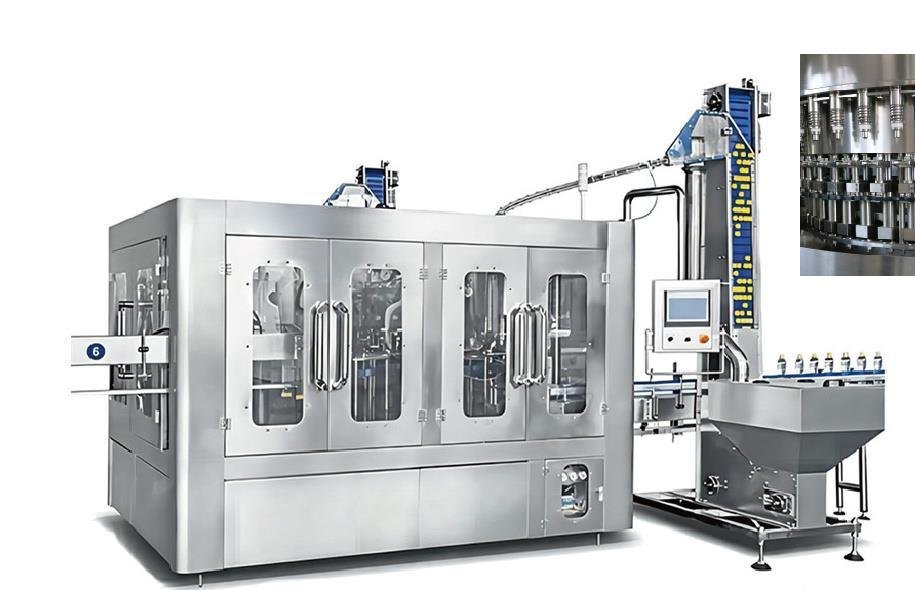
Environmental sampling cannot compensate for uncontrolled facility conditions. Review filtration and airflow where specified, room closure, temperature and humidity, water spray, positive drainage, cleaning methods and door discipline. Prevent condensation or maintenance debris above exposed containers and manage openings around conveyors. People, waste, tools and packaging movements should follow the approved zoning and sanitation program.
System focus 03
Choose points because they can reveal loss of a defined control, not because they are easy to reach. Consider proximity to exposed containers, difficult-to-clean niches, transfer openings, drains and interventions. Sampling before production, during operation and after sanitation can answer different questions, so the timing must be stated. Methods, sample area, contact time, incubation or external-laboratory handling and identification require qualified approval.
System focus 04
Set an escalation approach appropriate to the approved program and historical capability. Predetermine who reviews a result, checks related process and sanitation records, assesses affected product and authorizes restart or release. A single unusual result and a repeated trend may require different investigations. Retesting should not be used to erase the first result; the rationale and disposition need to remain visible.
System focus 05
Review results by zone, location, time, organism or indicator where applicable, and production context. Look for recurrence even when individual results do not trigger an action. Compare findings with maintenance, cleaning, room-pressure, condensation and production-event records. Reassess locations and methods after layout, equipment, air-system, sanitation or product changes and document why the updated program remains representative.
Environmental-monitoring planner
Sampling should verify a named control and lead to a predetermined review decision.
| Plan element | Question | Record | Action owner |
|---|---|---|---|
| Zone map | Where can exposure or contamination occur? | Approved hygiene-boundary drawing | Quality and operations |
| Sampling point | Which control does this point verify? | Location, method and timing register | Qualified laboratory role |
| Result response | What triggers review or containment? | Alert, investigation and disposition record | Authorized quality role |
| Trend review | Are conditions recurring or changing? | Periodic trend and effectiveness review | Cross-functional hygiene team |
Sampling methods, limits, frequencies and product actions require qualified approval for the individual plant and destination.
Technical reading
Confirm the standards, guidance and legal requirements that apply to the project location and product before final design.
Intergovernmental reference used for filling protection, air, condensation, container and closure hygiene concepts.
Sector guide used to frame filling-room construction, access and hygiene monitoring; site-specific legal review remains necessary.
Buyer questions
Use these answers as a project-planning starting point. Final equipment and performance remain subject to the confirmed brief.
No. Locations, methods, frequencies and actions should follow the actual product exposure, facility design, applicable requirements, process risks and historical evidence.
No. Environmental monitoring verifies selected facility controls, while source, process and finished-product testing have different purposes within the complete quality system.
Not automatically. They belong to different risk zones and may require different methods and interpretation. The plan should state the purpose and consequence of each sample.
Follow the approved escalation plan: review sample integrity and related records, contain the area or product as required, investigate likely causes, implement corrective action and verify effectiveness before authorized release.
Deep technical guides
Each guide answers one narrower project question and links the result back to complete-line scope.
ATP swabbing is a rapid hygiene verification tool, not a direct test for pathogens or a universal cleanliness limit. A bottled water plant should qualify surfaces, devices, swab technique and alert or action levels against its own cleaning process and risk.
Capacities, process routes, layouts, utilities and equipment shown on this site are decision frameworks and reference examples. They are not a final specification, performance guarantee or offer. Confirmed scope and performance are defined in the signed technical and commercial agreement.
Allot Tech project desk
Share the source water, bottle, target output, pack format, factory status and destination. We will use them as the basis for a project-specific configuration discussion.