EU guide to good hygienic practices for packaged water
European guidance used for traffic, air-pressure differential, filtration and contamination-control considerations in packaged-water facilities.
Control air movement around exposed containers without inventing a room class
A pressure number alone cannot protect an open-bottle route when door use, heat, drains, condensation and adjacent activities are not controlled.
Direct answer
Begin with a hygienic zoning and airflow-risk review that identifies the filler enclosure, open-bottle path, cap exposure, personnel and material entries, drains, adjacent rooms and outdoor influences. Define the desired direction of air movement across each boundary, then size and control supply, return and exhaust with the actual room leakage, door operation, machine exhaust, heat and moisture loads considered. Select filtration and environmental conditions from the product and risk assessment, not from a universal cleanroom claim. Locate pressure, temperature, humidity or other monitoring points where they represent the controlled boundary. Establish alert response, door and maintenance practices, commissioning tests and seasonal re-verification under the applicable building, worker-safety and food requirements.
System focus 01
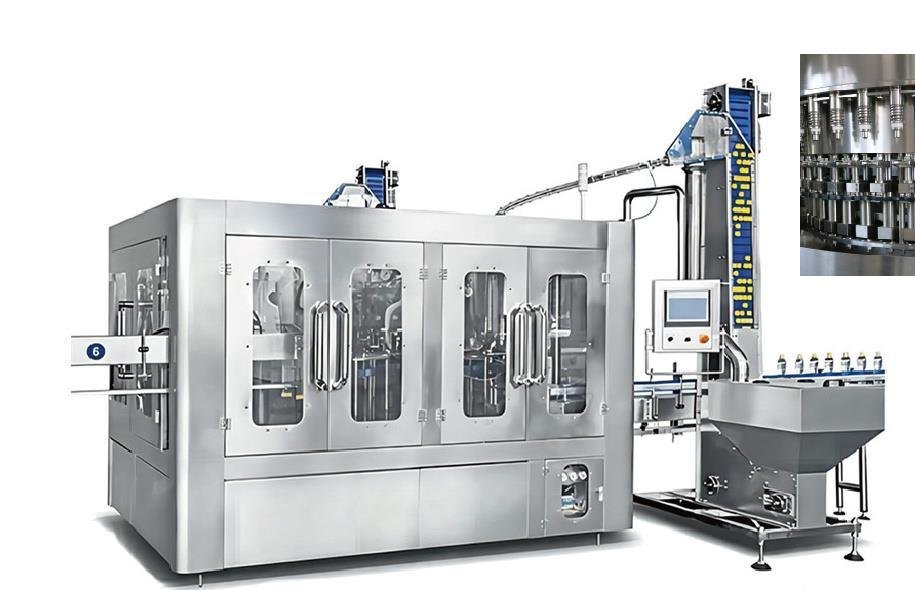
Draw the filler, enclosure, cap route, bottle route and all connected spaces. Mark doors, pass-throughs, conveyors, drains, ceilings, utility penetrations, personnel flow and material replenishment. Identify when containers are open and when product-contact surfaces are exposed for cleaning or maintenance. Review adjacent dust, chemical, warehouse, compressor or outdoor sources. The required airflow relationship follows this map; it should not be copied from an unrelated beverage or pharmaceutical room with a different product and machine boundary.
System focus 02
State which room should supply cleaner air toward which neighboring space and under what operating mode. Consider door opening, conveyor apertures, extraction, machine fans and cleaning exhaust. A nominal setpoint is useful only when sensor location, tolerance, alarm delay and response are defined. Avoid excessive pressure that makes doors difficult to use or drives moisture and contaminants into building cavities. A competent HVAC designer should balance food-hygiene intent with fire, egress, worker and building requirements.
System focus 03
Choose filters from the assessed airborne risk and required maintenance capability. Record outdoor-air quality, filter stages, access, integrity expectations and replacement pressure condition. Calculate machine, motor, lighting, people and outdoor loads and include moisture from cleaning and drains. Surface temperatures and airflow should avoid condensation above open containers and on hard-to-clean structures. Temperature and humidity targets should support product protection, people and equipment without becoming unsupported universal limits on the public page.
System focus 04
Pressure sensors should compare meaningful rooms or enclosure zones and remain accessible for calibration. Temperature and humidity sensors should not be placed where a local supply jet or hot machine makes them unrepresentative. Define normal, alert and action handling, including who evaluates product exposure when the condition is lost. Trend data at a cadence suited to the risk and operating mode. Environmental microbiological monitoring, where required by the site plan, is a separate evidence stream and should not be replaced by HVAC readings.
System focus 05
Verify installation, filter identity, fan direction, damper position, sensor calibration and control sequences before balancing. Test pressure relationships with doors closed and during representative entry, material transfer and line operation. Observe smoke or another approved visualization method where safe and appropriate to confirm direction at critical openings. Repeat relevant checks after major filter, room, door or machine changes and across materially different seasons if outdoor conditions affect performance. Keep drawings, balance reports, alarm challenges and open actions in the facility record.
Airflow control plan
Define direction and evidence from the plant layout before a consultant selects equipment or setpoints.
| Boundary | Risk input | Control definition | Verification |
|---|---|---|---|
| Room to room | Adjacency, doors and traffic | Desired airflow direction and operating state | Balance and door-use challenge |
| Room to machine | Enclosure openings, exhaust and heat | Supply/return interaction and conditions | Line-running observation |
| Air quality | Outdoor and internal contamination sources | Filtration and maintenance approach | Installed filter and condition records |
| Deviation | Sensor result, duration and product exposure | Alarm, response and disposition roles | Trend and signed assessment |
The HVAC design must be completed by competent professionals under applicable food, building, fire, worker-safety and environmental requirements.
Editable buyer worksheet
Connect room adjacency, exposure, airflow, pressure basis, doors, condensation, monitoring and recovery tests.
Technical reading
Confirm the standards, guidance and legal requirements that apply to the project location and product before final design.
European guidance used for traffic, air-pressure differential, filtration and contamination-control considerations in packaged-water facilities.
International primary source for protecting filling and sealing operations from dust, microorganisms, condensation and other contamination.
Government bottled-water guidance used for ventilation, positive-pressure and protected bottling-room considerations; project risk and local requirements still control the design.
Buyer questions
Use these answers as a project-planning starting point. Final equipment and performance remain subject to the confirmed brief.
There is no safe universal value. The designer must consider adjacent spaces, openings, leakage, doors, enclosure, machine exhaust, filtration, local codes and the monitored risk-control objective.
No. Airflow works with zoning, enclosure, cleaning, bottle and cap control, personnel practice, drains, condensation management, maintenance and environmental verification. It cannot compensate for an uncontrolled open-container route.
Not automatically. Filter selection depends on product, process, equipment enclosure, risk assessment and applicable requirements. Where specified, access, integrity, condition monitoring and replacement control also matter.
Follow a predefined response: record duration and condition, restore control, assess product and open-container exposure, inspect or clean as required, and obtain the authorized quality disposition. The response must be site-specific.
Capacities, process routes, layouts, utilities and equipment shown on this site are decision frameworks and reference examples. They are not a final specification, performance guarantee or offer. Confirmed scope and performance are defined in the signed technical and commercial agreement.
Allot Tech project desk
Share the source water, bottle, target output, pack format, factory status and destination. We will use them as the basis for a project-specific configuration discussion.