NSF overview of food-grade lubricant registrations
Authoritative registration-program overview used to distinguish listed lubricant categories from application-specific engineering approval.
Lubricant governance
A plant-wide lubrication register controls what product is used, where, how and why; it prevents a generic “food grade” label from becoming a substitute for application-specific risk control.
Direct answer
Identify every lubricated asset and exact application point, then classify the possibility and consequence of lubricant contact with product, packaging or product-contact surfaces. For each point, record the approved lubricant identity, relevant registration or supplier evidence, viscosity or performance requirement, application quantity or method, interval or condition trigger, storage and dispensing controls, task owner and record. Link substitutions to engineering and hygiene review. The register should also support inspection for leaks, over-lubrication and cross-use, plus a defined response when an unapproved or wrongly applied product may have affected the line.
System focus 01
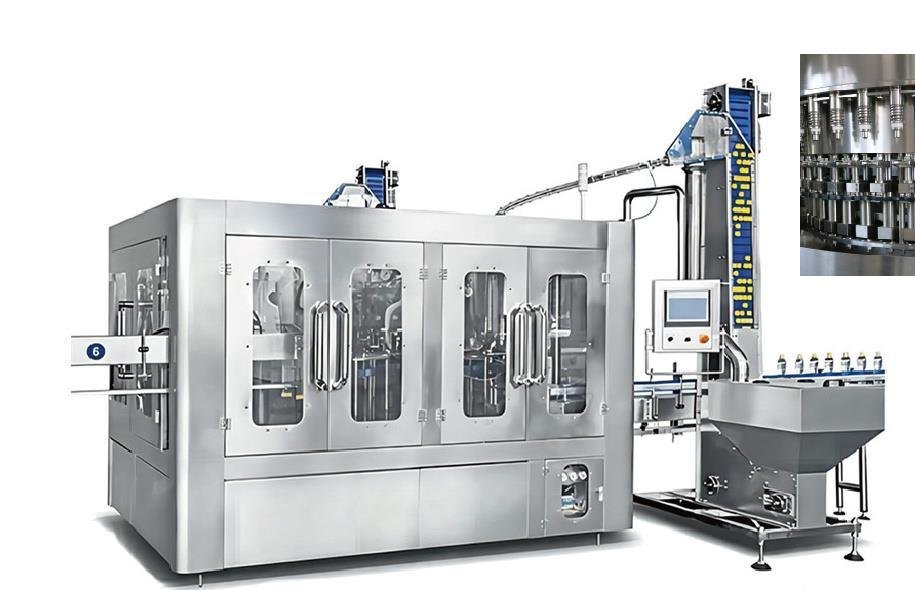
Begin at the machine, not in the lubricant storeroom. Assign a stable point identifier to bearings, gearboxes, chains, slides, pneumatic lubricators and manual grease points. Record proximity to open containers, closures, treated-water circuits, packaging surfaces and drainage. Consider leakage, aerosol, over-application, maintenance handling and washdown transport, not only normal operation. This contact-pathway review determines whether incidental-contact controls are relevant and which additional guards or inspection steps are needed. One machine can contain points with different requirements, so a single lubricant entry for “filler” is not sufficiently precise.
System focus 02
Food-sector registration does not prove that a lubricant is suitable for every load, speed, material, temperature or sealing system. The technical owner should compare the equipment-maker requirement with current supplier data and the site contact-risk classification. Capture the precise commercial name and grade, not only the manufacturer. Preserve current technical and safety documentation and any applicable third-party registration scope. Where an OEM recommendation and hygiene classification appear to conflict, resolve the application with documented engineering and supplier input instead of silently selecting the easiest product to obtain.
System focus 03
The correct lubricant can still be misapplied through shared pumps, contaminated fittings or excessive dosing. Store products in identified, closed locations separated from chemicals that could be confused with them. Give each transfer container and grease gun a durable identity tied to the register. Standardize fitting type or color only as a supporting control; the written product identity remains authoritative. Job instructions should define access, cleaning of the fitting, amount or method, removal of excess and post-work inspection. Automated systems need reservoir identity, fill control and low-level or delivery checks.
System focus 04
Use equipment guidance, observed condition, duty and service history to establish a justified interval or condition trigger. An interval that is too long can damage equipment; one that is too short can create heat, leakage, contamination and unnecessary intervention. Record completed quantity or method, technician, date and abnormal observations so the plan can be reviewed. A product change requires controlled depletion or purge, compatibility assessment, updated labels and task documents, and communication before stores issue the new material. Temporary supply shortages should never create an undocumented substitute.
System focus 05
Periodic field verification should compare the register with the actual machine, storeroom and maintenance practice. Look for obsolete products, unidentified guns, incorrect reservoir labels, leaking points, missing records and tasks that no longer match the equipment. Define an escalation route for wrong-product use, loss of control or suspected contact: stop or protect the affected process, identify time and material boundaries, preserve evidence, assess product status and authorize corrective action. Trend repeat discrepancies by root cause rather than treating each as a labeling problem.
Register decision fields
A complete row connects contact risk, engineering duty, material identity and execution evidence.
| Decision field | Question to resolve | Required evidence | Change trigger |
|---|---|---|---|
| Contact pathway | Could lubricant reach product or packaging? | Point map and risk review | Guard, layout or process change |
| Technical duty | Can the product serve this component? | OEM and supplier technical data | Duty, part or formulation change |
| Application control | Can the correct dose reach the correct point? | Method, tool identity and record | New tool or automatic system |
| Incident boundary | What is affected if control fails? | Escalation and hold workflow | Leak, wrong product or missing identity |
Use current supplier documentation and the site risk process; this framework does not certify a lubricant or prescribe a universal interval.
Editable buyer worksheet
Map each application point to contact risk, approved product identity, method, storage, substitution and contamination response.
Technical reading
Confirm the standards, guidance and legal requirements that apply to the project location and product before final design.
Authoritative registration-program overview used to distinguish listed lubricant categories from application-specific engineering approval.
Certification-program source supporting controlled formulation, manufacture and hygiene-risk context for lubricants.
Manufacturer technical overview used for application categories; product selection still requires current site and OEM verification.
Buyer questions
Use these answers as a project-planning starting point. Final equipment and performance remain subject to the confirmed brief.
The required control depends on the credible contact pathway, local requirements and the site risk assessment. Do not assume that physical distance alone eliminates risk or that one category fits every location. Document why each point uses its approved product and maintain segregation that prevents cross-use.
No. Registration information addresses a defined product category or use scope; the bearing duty, OEM requirement, speed, load, temperature, seal and material compatibility still require engineering review. Keep the current evidence for both hygiene classification and technical suitability.
Treat substitution as a managed change. Confirm duty and material compatibility, contact-risk status, supplier evidence, purge or transition method and documentation updates. Approve it before issue, then remove or relabel old containers and dispensing tools so the two products cannot be confused.
Stop further use, identify the equipment point, quantity, time window and possible contact pathway, and preserve the container and work record. Technical and quality owners determine equipment remediation and product disposition. Document the cause and strengthen storage, dispensing or authorization controls before release.
Capacities, process routes, layouts, utilities and equipment shown on this site are decision frameworks and reference examples. They are not a final specification, performance guarantee or offer. Confirmed scope and performance are defined in the signed technical and commercial agreement.
Allot Tech project desk
Share the source water, bottle, target output, pack format, factory status and destination. We will use them as the basis for a project-specific configuration discussion.