Finished pack
Define what must leave the wrapper.
- Bottle and label format matrix
- Bottle count and row pattern
- Tray or unsupported pack design
- Bundle orientation and handling route
- Approved defect and sample criteria
Convert labeled bottles into stable distribution packs
A shrink wrapper must control the bottle group, film path, seal and heat process while handing a stable pack to conveyors, accumulation and pallet handling.
Direct answer
Define every bottle and finished pack combination, including the collation pattern, presence of a tray or pad, bundle orientation, intended handling and accepted pack appearance. Provide representative filled bottles and the proposed film specification, reel details and package test method. Ask the supplier to state the infeed arrangement, grouping method, film feed, sealing concept, tunnel zones, cooling, utilities, controls, guarding and discharge conditions. Acceptance should use approved bottles and production-representative film through steady operation, planned stops, low film, roll change, restart and downstream blocking. Pack stability and seal quality must be assessed by agreed package checks, not inferred from film thickness or tunnel temperature alone.
System focus 01
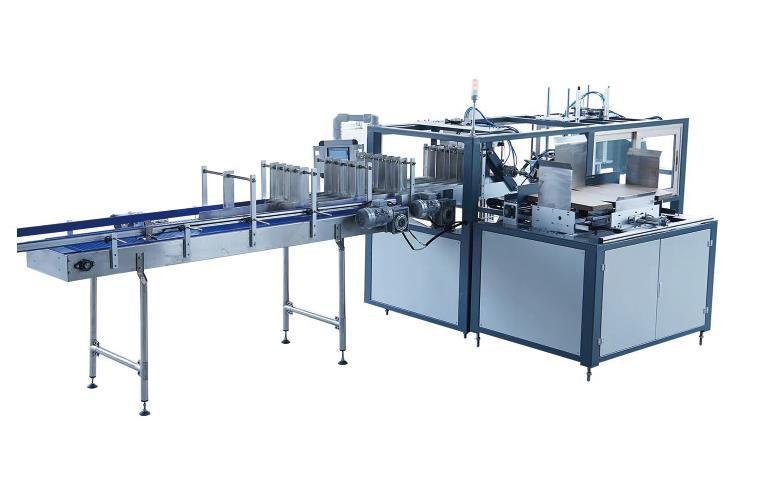
Create a format matrix for bottle volume, dimensions, mass when filled, label type, cap profile and stability. For each format, specify the bottle count, row arrangement, orientation, tray or pad requirement, carrying expectation and downstream pallet pattern. The pack should be reviewed as a distribution unit, because a visually tight bundle may still be unsuitable for conveyors, manual lifting or pallet handling. Provide accepted reference samples if available and state the quality method for seal, film position, openings, wrinkles and bottle damage. This information determines grouping hardware, film dimensions, tunnel exposure and changeover scope.
System focus 02
The infeed must convert a moving bottle stream into repeatable groups without scuffing labels, squeezing lightweight sidewalls or trapping fallen containers. Define conveyor speed range, lane count, accumulation pressure and signals from the labeler and wrapper. The grouping mechanism should have confirmed guides, lane dividers, stops and sensors for every format. Control logic must address missing bottles, incomplete groups, blocked discharge and restarting after a jam. Useful testing includes a partially depleted infeed and a controlled downstream stop, because an uninterrupted full conveyor can hide unstable grouping and poor recovery behavior.
System focus 03
The film record should state material construction, thickness basis, reel width and diameter, core, winding direction, permitted splice condition and storage expectations. The supplier should return the accepted range and the loading or lifting method. Review unwind control, tension, perforation or cutting where used, film positioning around the group and the sealing arrangement. Settings and consumables must be documented by format. Guarding, hot-surface protection and access for threading or clearing film are part of the supply review. Film substitutions need change control because dimensions, shrink response and sealing behavior can alter the finished bundle.
System focus 04
Tunnel performance depends on pack geometry, film response, conveyor exposure and the selected heating method. Ask for the number and adjustment of heat zones, air circulation concept, belt or roller arrangement and the test conditions supporting the proposal. List electrical load or other energy supply, extraction, ventilation and heat-rejection requirements. The discharge may require cooling or enough conveyor length for the film and bottles to stabilize before close accumulation or manual handling. Factory ambient conditions and bottle temperature should be recorded during acceptance, while site checks confirm actual utilities and room ventilation after installation.
System focus 05
A changeover record should list group parts, guides, recipes, film, tunnel settings, tools and inspection samples. Maintenance scope includes sealing components, cutters, belts or rollers, heaters, fans, sensors and conveyor wear parts, with access and isolation provisions. For acceptance, agree the quantity of every priority format, acceptable film and who supplies consumables. Sample packs after steady running and after start, restart or roll change, then observe discharge through any accumulation and the palletizer or manual pallet area. The test should record pack defects and recovery actions; a bundle that looks acceptable while stationary may still fail at transfers.
Shrink-wrapper inquiry pack
A useful quotation connects package quality to grouping, heat process and downstream handling.
Define what must leave the wrapper.
Control the material and factory conditions.
Test more than steady nominal running.
Package acceptance applies only to the recorded bottle, film, pattern, settings and handling conditions represented in the approved test.
Buyer questions
Use these answers as a project-planning starting point. Final equipment and performance remain subject to the confirmed brief.
Only within its confirmed grouping, bottle and film envelope. Different bottle counts, orientations, trays or unsupported bundles may need lanes, change parts, recipes or a different machine arrangement. Put each required pack in the format matrix.
No. Package behavior depends on material construction, dimensions, shrink response, sealing, tunnel conditions, bottle group and handling route. Select and validate film with the machine and packaging suppliers using the intended finished pack.
Requirements depend on the heating concept and machine. Confirm electrical or other energy load, extraction, ventilation, heat rejection, compressed air if used, and safe clearances. Use the selected supplier's declared interface schedule for final planning.
Agree visible defects, seal and opening checks, dimensional or handling observations, sample frequency and any transport-related tests required by the project. Record bottle, film, settings and conditions so results are traceable and repeatable.
Capacities, process routes, layouts, utilities and equipment shown on this site are decision frameworks and reference examples. They are not a final specification, performance guarantee or offer. Confirmed scope and performance are defined in the signed technical and commercial agreement.
Allot Tech project desk
Share the source water, bottle, target output, pack format, factory status and destination. We will use them as the basis for a project-specific configuration discussion.