Claranor cap decontamination for bottling
Technology reference used to frame cap geometry, integration and validation questions without adopting supplier performance claims.
Protect closures without assuming one universal treatment
Cap treatment must match the approved closure, product-risk assessment, filling concept and validated operating method while preserving feeding and sealing performance.
Direct answer
First determine through the qualified food-safety and packaging review whether cap decontamination is required and what performance must be demonstrated. Define the approved cap material, geometry, liner or tamper features, supply condition and capping process. Compare available chemical, light-based or other methods for closure compatibility, validated effect, residues where relevant, line speed, cleaning, safety and integration. The system should control cap orientation, treatment exposure, transfer to the capper and diversion of untreated caps during start-up or faults. Acceptance needs representative caps, documented process conditions, functional challenges and the approved microbiological validation approach. The word sterilization should not be used unless the specific process and claim are substantiated.
System focus 01
Review cap manufacturing, packaging, transport, storage, opening and feeding conditions together with the product and filling-room controls. Decide what hazard or hygiene concern the treatment is intended to reduce and who approves the target. Separate ready-to-use supplier status from plant-side controls and request supporting packaging information. A generic statement that every cap must be sterilized can lead to unnecessary or incompatible equipment.
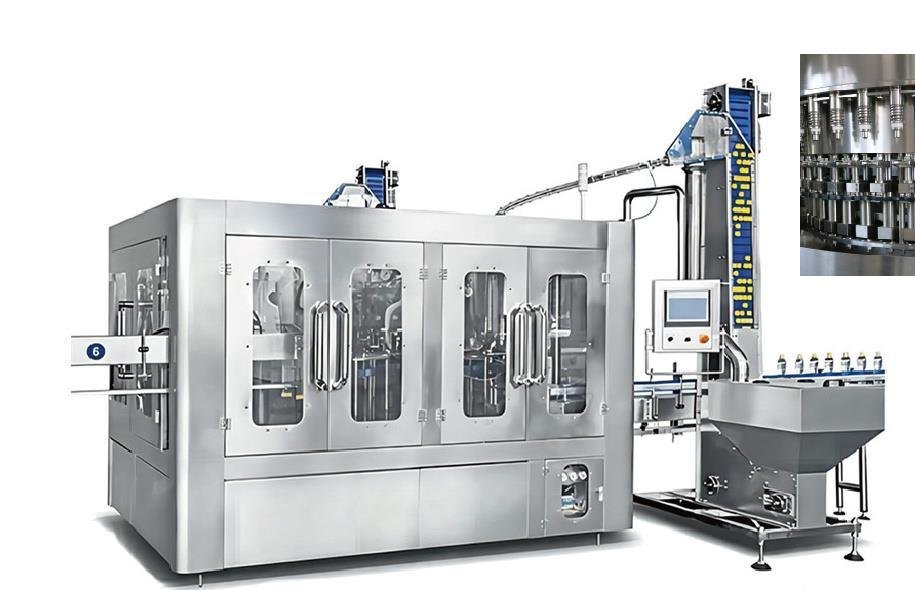
System focus 02
Cap shape can create shadowed surfaces, liquid retention or difficult-to-reach features. Liners, colors, pigments and tamper elements can respond differently to chemicals, heat or light. Require compatibility trials and identify critical treatment variables, permitted operating range and cap orientation. Review whether the method adds a rinse, drying or sterile-air duty and how residual chemicals or damaged closures would be detected and controlled.
System focus 03
Map the cap elevator, sorter, chute, treatment unit, treated-cap buffer and capper inlet. Define how the system prevents untreated caps from reaching production during initial fill, low cap level, equipment bypass or restart. Enclosures and transfer paths should be cleanable and protected from recontamination. Controls need clear ready, fault, treatment-valid and capper-permissive states plus a method to remove caps of uncertain status.
System focus 04
The selected technology determines which variables must be monitored, such as concentration, temperature, exposure, energy output, flow or pressure. Define alarms, instrument checks, replenishment and out-of-range response. Chemical systems may need preparation, ventilation, drains, storage and personnel protection; light or electrical systems need guarding and interlocks. Applicable safety design must be completed by qualified project parties for the actual installation.
System focus 05
Develop the validation approach with qualified microbiological and packaging specialists. Use representative caps, worst relevant positions and approved methods while retaining process data. In parallel, verify feeding, cap application, tamper performance, seal integrity and any residual requirement. Define periodic verification and revalidation triggers after a cap, treatment, speed, software or mechanical change. A treatment result cannot compensate for damaged caps or incorrect capping.
Cap-treatment selection matrix
Complete the performance basis before comparing treatment technologies.
| Decision | Input | Required response | Evidence |
|---|---|---|---|
| Need and target | Cap supply and food-safety risk review | Defined outcome and terminology | Approved risk and validation basis |
| Compatibility | Cap drawing, material, liner and samples | Treatment window and limitations | Closure and seal test results |
| Integration | Feed route, speed and capper states | Transfer and fault-control narrative | Functional exception test |
| Verification | Method, variables and change triggers | Routine and revalidation plan | Controlled process and test records |
Final treatment need, performance criteria and terminology require qualified food-safety and packaging approval for the actual project.
Technical reading
Confirm the standards, guidance and legal requirements that apply to the project location and product before final design.
Technology reference used to frame cap geometry, integration and validation questions without adopting supplier performance claims.
Equipment reference used to compare treatment, rinse and controlled-transfer functions; aseptic claims are not transferred to ordinary water lines.
Intergovernmental source used for general container, closure and hygienic handling context.
Buyer questions
Use these answers as a project-planning starting point. Final equipment and performance remain subject to the confirmed brief.
Not automatically. The decision follows the closure supply condition, product and process risk assessment, filling concept, applicable requirements and approved food-safety plan.
No. Washing, sanitizing, decontamination and sterilization describe different outcomes. Use only terminology supported by the validated method and evidence.
No responsible final selection should omit representative caps and drawings. Geometry, material, liner, pigment and tamper features can affect compatibility and treatment coverage.
The control narrative should define how caps of uncertain status are isolated, removed or retreated where approved before the capper is permitted to restart.
Capacities, process routes, layouts, utilities and equipment shown on this site are decision frameworks and reference examples. They are not a final specification, performance guarantee or offer. Confirmed scope and performance are defined in the signed technical and commercial agreement.
Allot Tech project desk
Share the source water, bottle, target output, pack format, factory status and destination. We will use them as the basis for a project-specific configuration discussion.