Container format
Control each physical package.
- Bottle and preform revision
- Neck and approved cap pair
- Label panel and bottle condition
- Filled mass and stability
- Format parts and recipes
Balance container rate with packaged-water volume
One-liter and 1.5-liter bottles can carry substantial water volume while creating different stability, transfer and packing demands from a high-count small-bottle line.
Direct answer
Release each bottle, preform, neck, cap, label and finished-pack design, then specify required good output at a named line endpoint. Compare both bottles per hour and liters per hour because filling cycles, treatment flow and pack frequency answer different planning questions. Review onsite blowing or purchased-bottle supply, filler transfer, fill conditions, closure support, bottle stability, labeling and the intended shrink bundle or carton. Utilities and accumulation should be checked for each priority format. Acceptance must run production-representative packages through steady operation, short stops, restart, downstream blocking and changeover; nominal volume names do not define machine compatibility or sustainable output.
System focus 01
State the share of 1L and 1.5L formats by channel, pack pattern, shift and demand scenario. Convert good bottles into packaged-water volume, complete packs, pallets and material consumption. A lower bottle count can still require high treatment and product-storage flow when each container carries more water. Planned sanitation, format change, maintenance and other time rules should remain explicit. If both formats share one line, identify the dominant design case for water demand, machine cycles, pack handling and warehouse flow instead of assuming one bottle is worst for every subsystem.
System focus 02
Provide controlled bottle and preform drawings, target mass, neck finish, base, label panel and approved functional checks. The filled bottle must remain stable through conveyors and packing without requiring unconfirmed overdesign. If blowing onsite, confirm cavity and mold scope, heating window, bottle cooling, compressed-air demand and transfer to filling for both formats. If buying bottles, define packaging, stacking, incoming inspection, storage and unscrambling. Trial actual lightweight designs under expected temperature and line pressure; a rigid development bottle can misrepresent production handling and mask guide or pack problems.
System focus 03
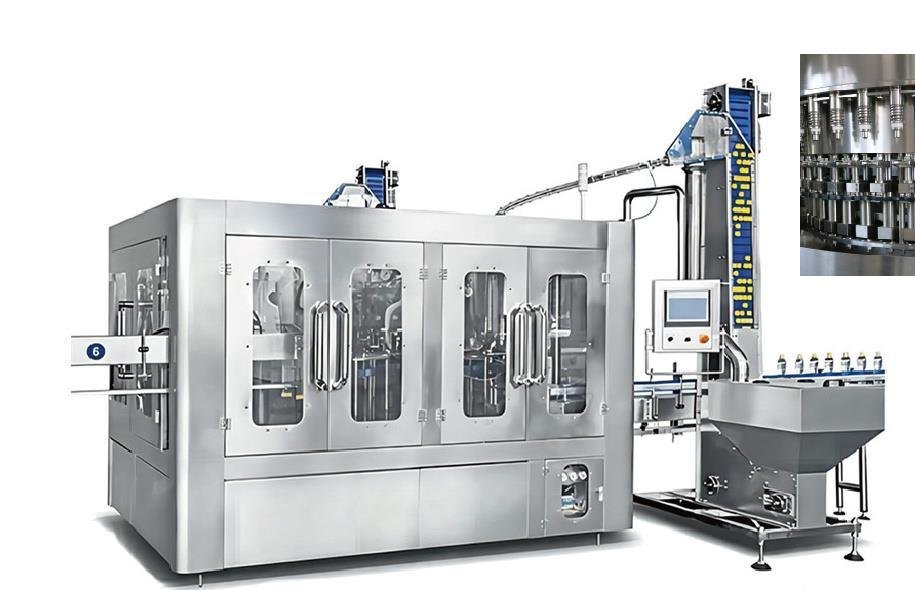
The treatment and tank system must support volumetric demand and filler start-stop behavior, while the filler must handle the actual neck, height and container dynamics. Obtain filler-inlet pressure and flow, transfer parts, fill basis, changeover settings and closure data for each bottle. Larger fill volume can alter fill time, slosh and discharge stability even when the neck is shared. The capper needs appropriate bottle support and verified cap-neck pairing. Define fill and closure sampling, configured detectors, reject route and affected-product response without claiming that one sensor proves complete package conformity.
System focus 04
Filled 1L and 1.5L containers load conveyor surfaces, guides and stopping zones differently from empty or smaller bottles. Review center of gravity, base support, friction, label contact and pressure in accumulated queues. Labeling must account for bottle moisture and the approved panel geometry. Define the bundle or carton count, rows, film or board, pack orientation and handling route. The packer and downstream conveyors should be observed during stops and recovery, because a pack stable at discharge can still turn or deform at transfers or close accumulation.
System focus 05
Prepare enough approved preforms or bottles, caps, labels and secondary materials for sustained and event-based testing. Record utilities at representative load, including product water, air, power, cooling and packing energy. Define the format change boundary from last good pack to authorized first good pack, with cleaning or material-clearance activities shown separately where appropriate. Demonstrate parts, guides, recipes, coding and inspection selection, then reconcile accepted and rejected output at the agreed count point. A result for 1L should not be copied to 1.5L without represented conditions and evidence.
Medium-bottle project brief
Complete the format, flow and finished-pack groups before comparing a shared-line proposal.
Control each physical package.
Relate machine cycles to water volume.
Verify saleable output at the line endpoint.
Shared equipment capability must be demonstrated for each controlled bottle, closure, label and pack under its stated operating conditions.
Buyer questions
Use these answers as a project-planning starting point. Final equipment and performance remain subject to the confirmed brief.
They may share equipment when neck, dimensions, transfer, fill, label and pack requirements fit the confirmed envelope. Obtain a format matrix showing rates, parts, recipes and any limitation, then test both approved designs.
Bottles per hour describes container and packaging cycles, while liters per hour affects treatment, storage and filling volume. Both are needed to identify different subsystem design cases.
Not necessarily. The 1.5L bottle may be heavier, while another geometry may be less stable or create higher count pressure. Review actual base, center of gravity, stiffness, guides and accumulation behavior for each format.
A complete format list, installed change parts, controlled recipes and an observed transition with approved materials provide evidence. The check should include first-good bottle or pack release and the relevant inspection challenges.
Capacities, process routes, layouts, utilities and equipment shown on this site are decision frameworks and reference examples. They are not a final specification, performance guarantee or offer. Confirmed scope and performance are defined in the signed technical and commercial agreement.
Allot Tech project desk
Share the source water, bottle, target output, pack format, factory status and destination. We will use them as the basis for a project-specific configuration discussion.