Package identity
Define the container and sale unit.
- 3L or 5L single-use PET basis
- Bottle, preform, neck and cap revision
- Grip or separate-handle arrangement
- Label and carrying surfaces
- Pack and pallet pattern
Design around large single-use PET container behavior
Three-liter and 5-liter PET bottles combine high filled mass with format-specific neck, handle, base and pack choices that change every transfer from blowing or bottle supply to pallet handling.
Direct answer
Treat each 3L and 5L PET bottle as a controlled package rather than scaling a small-bottle line. Provide bottle, preform, neck, cap and handle information, label geometry, filled mass, finished pack and required good output. Confirm whether the containers are single-use PET blown onsite or supplied empty; this page does not describe a reusable 18.9L or 5-gallon returnable-container process. Check the blower or unscrambler, filler, closure system, conveyors, labeling, handle application if used, packing and manual tasks against the actual geometry. Acceptance should use filled production-representative containers through stop, restart, accumulation, pack transfer and format change, with ergonomic and utility boundaries recorded.
System focus 01
State nominal volume, bottle material, intended reuse status, neck finish, cap and distribution route at the start of the inquiry. A 5L single-use PET format normally follows an empty-bottle preparation, fill, cap, label and pack route that differs fundamentally from inspection and washing of returned 18.9L containers. Local product and packaging rules still require project review. Define whether a molded grip, separate handle, strap, carton or unsupported bottle is part of the final sale unit. This boundary prevents suppliers from comparing unrelated equipment and makes the customer handling expectation visible before layout and safety decisions.
System focus 02
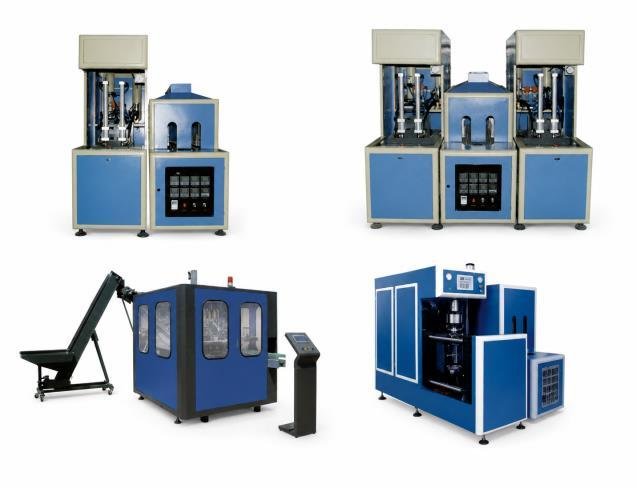
Large PET bottles need an approved preform and bottle design that considers mass, material distribution, base stability, top load, sidewall behavior and handling features. The packaging owner should define functional checks rather than ask the machine supplier to invent the container. For onsite blowing, confirm machine and mold capability, heating, cooling, compressed-air demand, bottle discharge and transfer for each format. Purchased bottles require controlled bulk packaging, storage, incoming inspection and unscrambling suitable for their size. Provide production samples early; a prototype with different mass or stiffness may not represent filling, conveying or packing behavior.
System focus 03
Higher volume per container can make treatment and filler-feed flow a primary design case even at a lower bottle count. Define the filler inlet condition, target fill basis, container support, transfer pitch and the rate for both 3L and 5L. Filled bottles can slosh or deform during acceleration, so discharge and cap application must be assessed dynamically. Release the cap-neck pair, application and finished-closure checks, including any handle operation near the closure. Ask suppliers to separate machine cycle capability from net good output and to identify all format-specific parts, settings and limitations.
System focus 04
Guide contact, conveyor width, drive load, transfer support and accumulation pressure should be reviewed with the filled bottle, not an empty shell. Large containers may need greater spacing and controlled acceleration to limit tipping and slosh. Label type and application must suit the panel, surface moisture and intended carrying areas. If a separate handle is applied, include its bulk feed, orientation, attachment check and material logistics. Packing may use film, tray, carton or individual handling; define the actual pack and pallet route. Manual lift, rework and sampling tasks require a site ergonomic and safety review.
System focus 05
Prepare approved preforms or bottles, caps, labels, handles and packing materials in quantities suitable for steady operation and controlled events. Record treatment flow, filler-feed conditions, compressed air, power and other relevant utility loads during the represented format. Challenge upstream starvation, downstream blocking, incomplete packs and controlled restart, then inspect bottle, closure, label, handle and finished pack using agreed methods. Demonstrate the 3L-to-5L change where both are in scope, including mechanical parts, recipes, material clearance and first-good authorization. Retain samples and settings so the site trial can reproduce the basis.
Large-PET format brief
Use these groups to prevent a nominal 5L label from being confused with another package or process.
Define the container and sale unit.
Trace the bottle from supply to finished pack.
Verify actual formats and operating events.
Capability is specific to the controlled single-use PET package and should not be extrapolated to returnable 5-gallon containers or untested geometries.
Buyer questions
Use these answers as a project-planning starting point. Final equipment and performance remain subject to the confirmed brief.
No. A 5L single-use PET bottle is much smaller than a typical 18.9L returnable container and generally follows a different bottle preparation, filling, closure and packing process. Define material, volume and reuse status explicitly.
Only if its container envelope, transfer, fill time, support, closure equipment and line interfaces have been confirmed for the actual designs. A shared neck finish or lower bottle rate is not enough evidence.
The choice depends on bottle structure, count, carrying method, distribution protection, material availability, pallet pattern and customer expectations. Define the finished pack first and test its complete handling route.
Water mass and movement change bottle stability, conveyor load, acceleration, guides, label contact and pack behavior. Empty-bottle trials cannot represent every post-filler interface.
Deep technical guides
Each guide answers one narrower project question and links the result back to complete-line scope.
A 3L–5L handle applicator must match the bottle neck or body feature, handle material, cap relationship and consumer use while sustaining safe package flow. Handle geometry and application force require joint trials with the approved bottle.
Capacities, process routes, layouts, utilities and equipment shown on this site are decision frameworks and reference examples. They are not a final specification, performance guarantee or offer. Confirmed scope and performance are defined in the signed technical and commercial agreement.
Allot Tech project desk
Share the source water, bottle, target output, pack format, factory status and destination. We will use them as the basis for a project-specific configuration discussion.